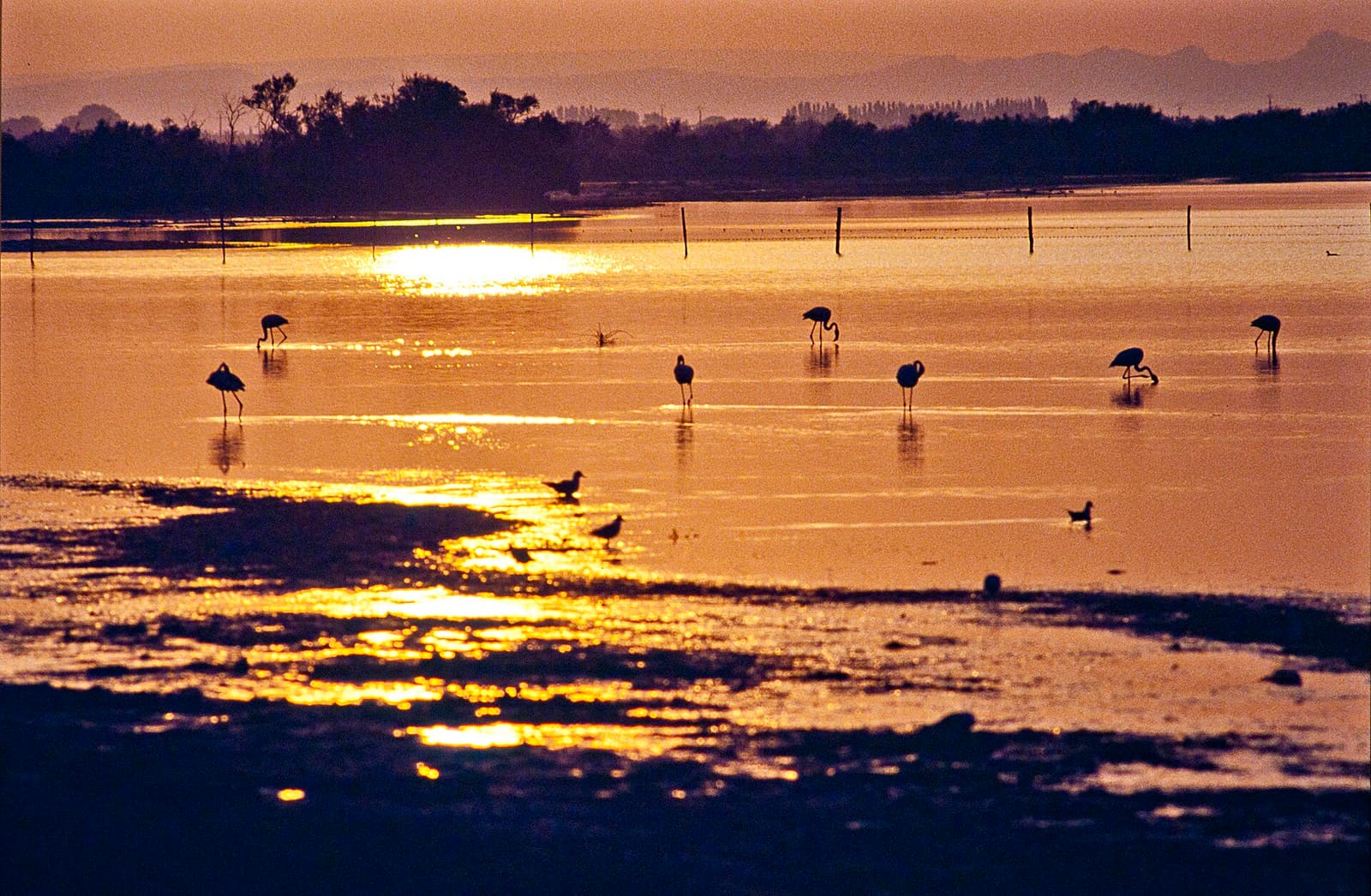
Arles sits at the head of the delta, where the Rhône splits into its two arms, and has been the gateway to the Camargue for two thousand years. The commune is one of the largest in mainland France by area, and most of the Grande Camargue lies within its boundaries — so although it is a city of monuments and museums, the marshes begin a few minutes from the centre.
Roman Arles was a major city of Gaul, and its amphitheatre, theatre, baths and underground galleries survive in the middle of the old town. Together with the Romanesque church and cloister of Saint-Trophime they are listed by UNESCO. In 1888–89 Vincent van Gogh lived here and painted some of his best-known works; today the city also hosts the international photography festival, Les Rencontres d’Arles, and the LUMA Arles arts campus with its shimmering tower by Frank Gehry.
What to see and do: Arles
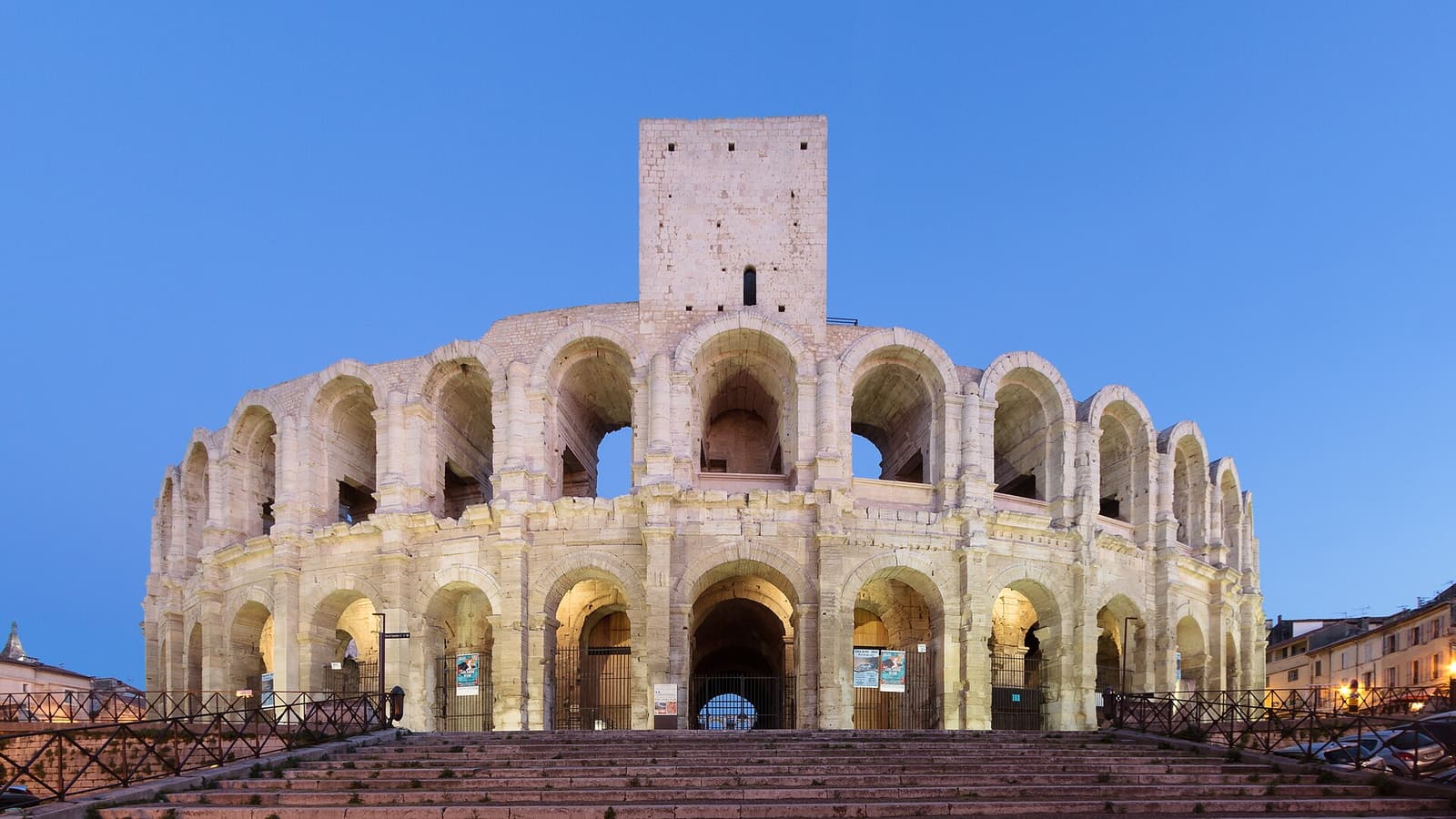
The amphitheatre (Arènes)
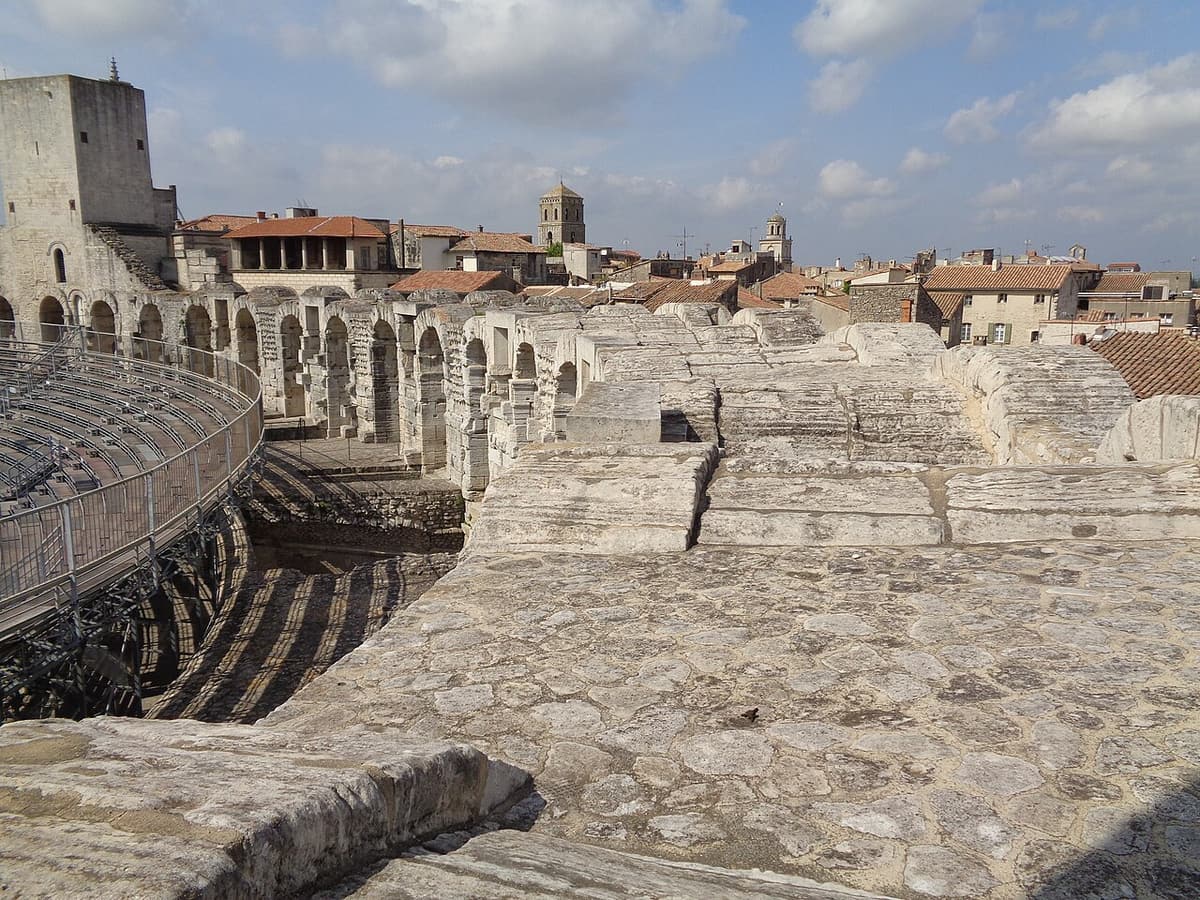
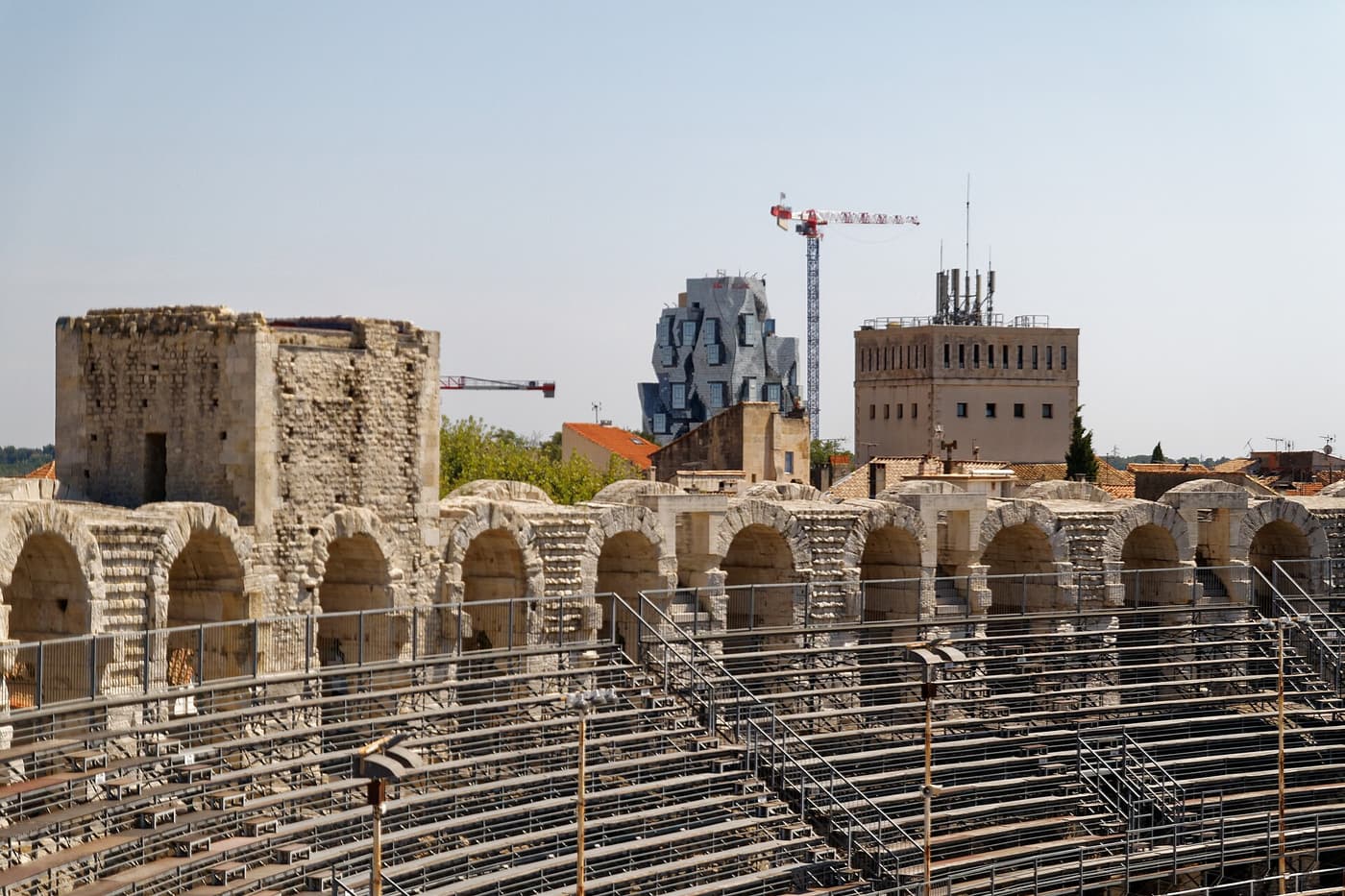
Built around the end of the first century AD for some 20,000 spectators, the amphitheatre was turned into a fortified village in the Middle Ages — three of the towers added then still stand. It is used today for bullfights and courses camarguaises during the ferias and for summer shows. Climb a tower for the view over the rooftops and the Rhône.
Roman theatre, baths and cryptoportico
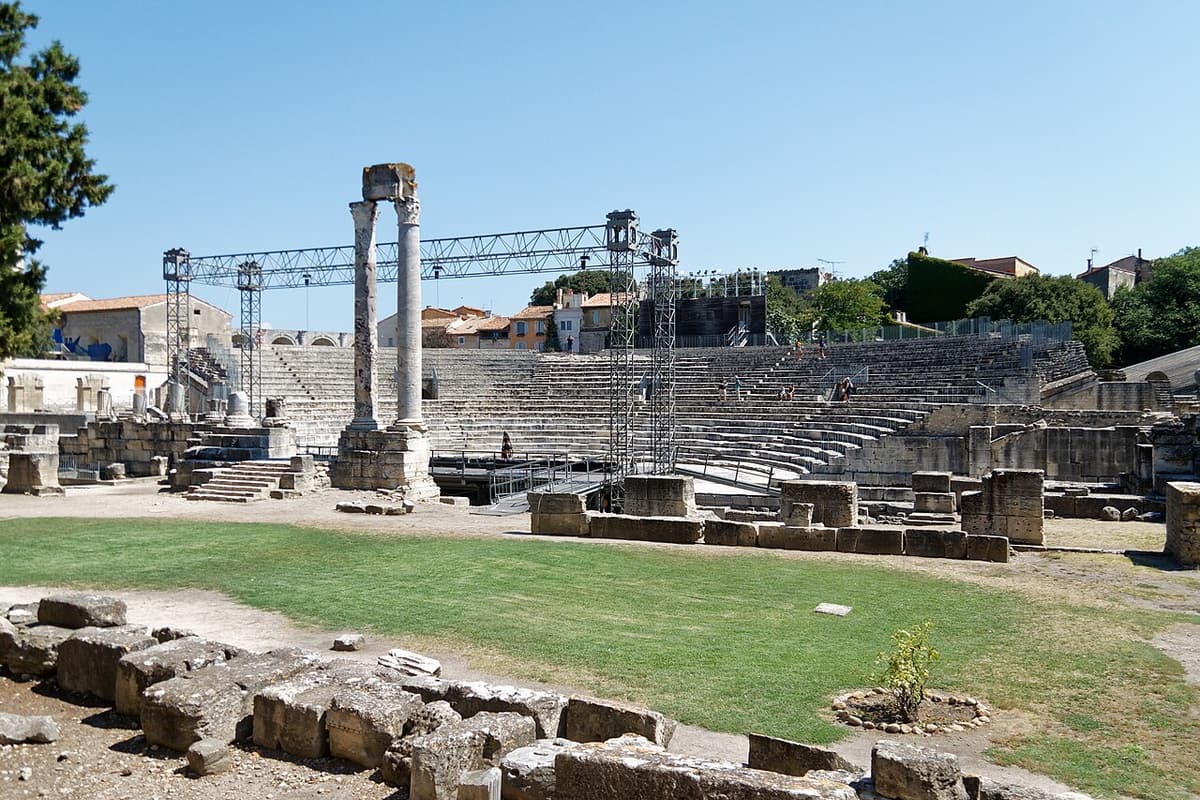
A few steps from the arena, two columns rise above the ruined stage of the Roman theatre. The Baths of Constantine stand near the river, and beneath the town hall you can walk through the cryptoporticoes, vast underground galleries that supported the Roman forum. A combined pass covers most of the monuments.
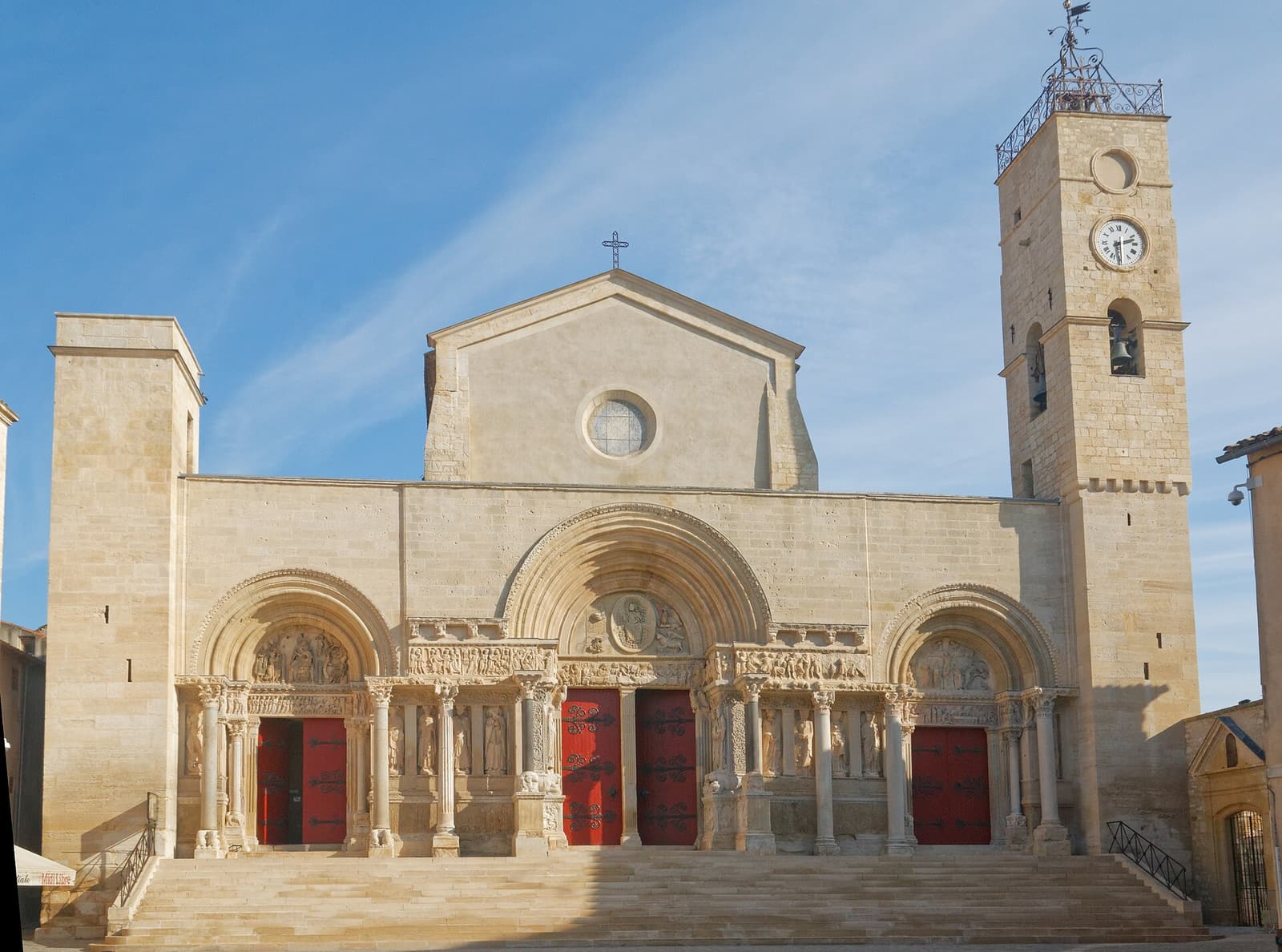
Saint-Trophime
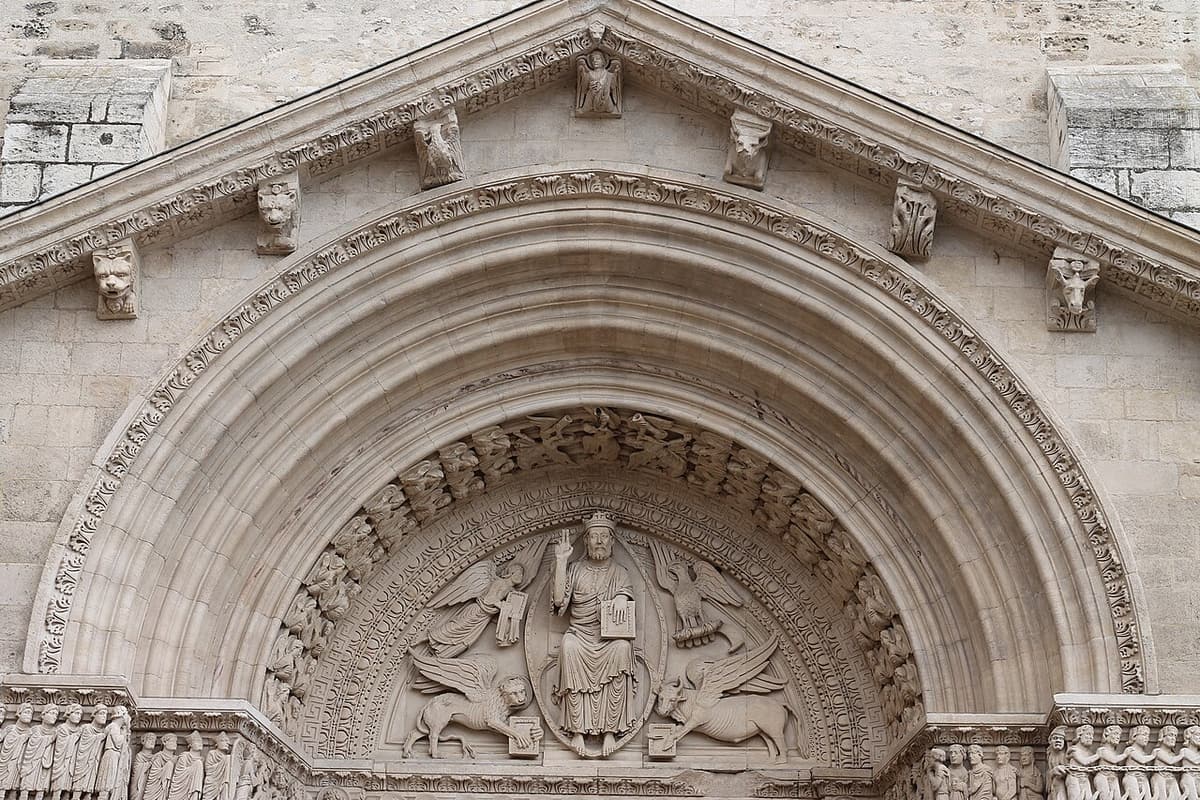
The former cathedral’s 12th-century portal is a masterpiece of Provençal Romanesque sculpture, with the Last Judgement carved above the door. The cloister next door, with Romanesque and Gothic galleries, is one of the most beautiful in southern France.
In the footsteps of Van Gogh
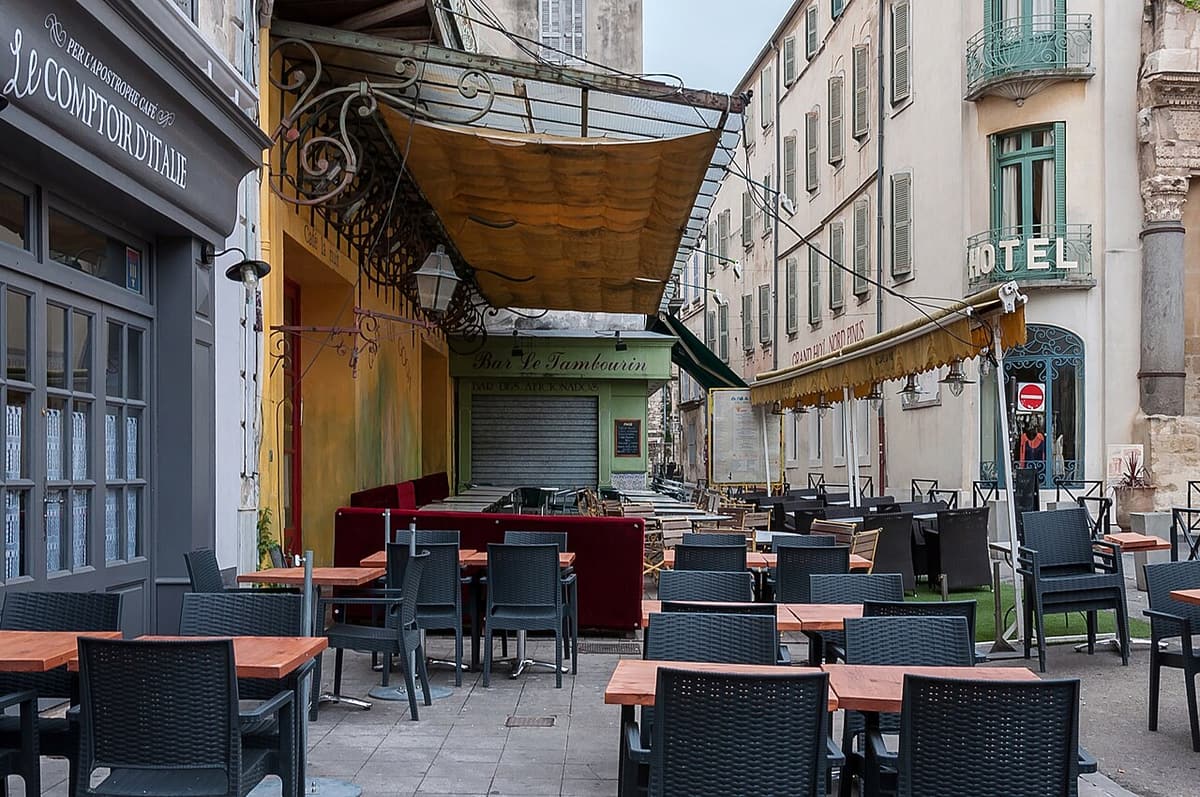
Van Gogh painted about three hundred works in his fifteen months here. Panels mark the spots he painted: the café on Place du Forum, the garden of the old hospital (now the Espace Van Gogh), the Trinquetaille bridge and the Rhône at night. The Fondation Vincent van Gogh Arles shows exhibitions that put his work in dialogue with contemporary artists.
Musée départemental Arles antique
On the banks of the Rhône, this museum displays the city’s Roman treasures, including a complete Roman river barge, the Arles-Rhône 3, raised from the riverbed and restored.
LUMA Arles
The former railway workshops have been turned into an arts centre with gardens and exhibitions, dominated by a tower of stainless steel and glass designed by Frank Gehry, which opened in 2021. The terrace at the top looks out over the city to the Camargue and the Alpilles.
How to get to Arles
- By train: Arles station is on the line between Marseille, Avignon, Nîmes and Montpellier, with regional trains several times an hour at peak times. Avignon TGV station is about 20 minutes away by regional train or around half an hour by car.
- By air: Marseille Provence airport is roughly an hour away by car; Nîmes airport is closer but has few flights. Montpellier airport is about an hour west.
- From Arles, regional buses run to Saintes-Maries-de-la-Mer and to Salin-de-Giraud. Many Camargue safaris pick up in Arles itself.
Insider tips
- Arles makes the best base for exploring the Camargue without a car: it has the train station, the buses into the delta and the most safari departures.
- Visit the monuments in the morning, then head into the Camargue in the late afternoon when the light softens and the birds are more active.
- The Rencontres d’Arles photography festival runs in summer (roughly July to September); the opening week in early July is the busiest.
- Ferias are held at Easter and in September; they include Spanish-style bullfights in the arena as well as Camargue traditions — check the programme if you wish to avoid them or attend.
Best tours & tickets for Arles
These well-reviewed experiences pair well with a visit to Arles:
 Guided 4x4 safari from €59
From Arles: Half-Day 4x4 Camargue Safari
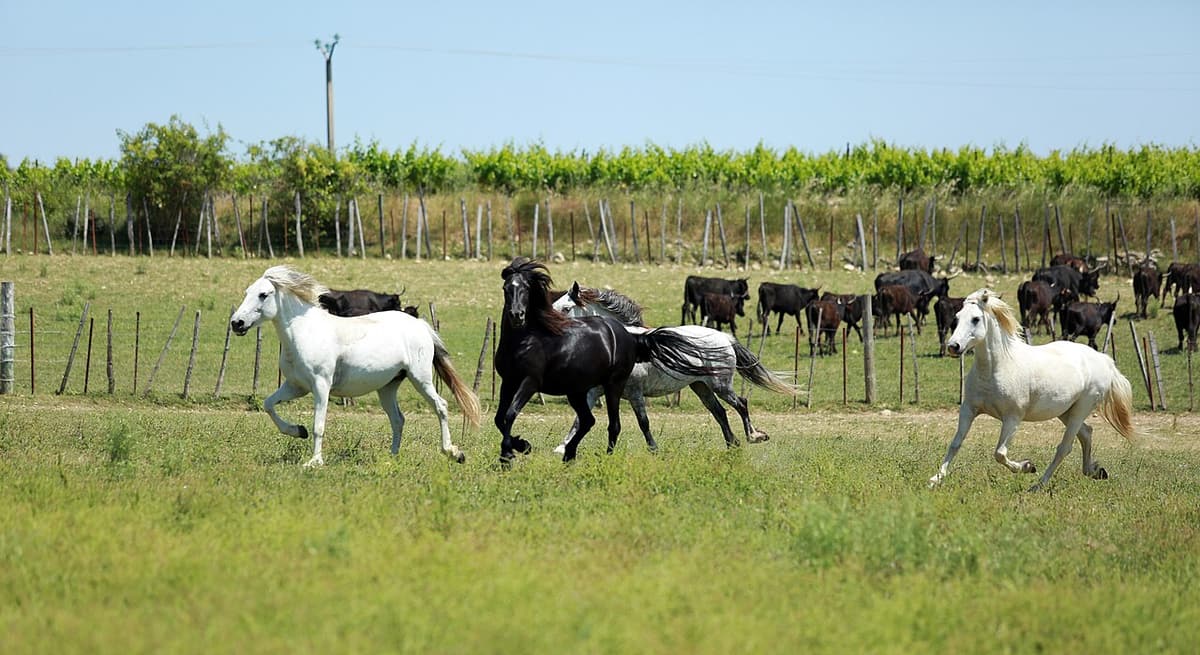
The Camargue’s most-reviewed safari, with more than 2,000 reviews. An open 4x4 leaves Arles for the Regional Nature Park, following tracks onto estates you could not drive alone to see the herds of white horses and black bulls and the birds of the lagoons. The guide explains the landscape, the manades and the traditions as you go.
- Wild-looking horses, black bulls and flamingos
- Commentary from a local guide
- Transport from Arles included
 Private walking tour from €150
Arles: Private Art, History & Food Tour of Van Gogh Scenes
A private walk through Arles taking in its Roman monuments and the places Van Gogh painted, with tastings of local delicacies along the way.
- Roman theatre, baths and amphitheatre
- Scenes Van Gogh painted
- Local tastings and ice cream
Walking tour with a local host from €79 Arles: Express Walk with a Local
A short walk around Arles with a local host, with stories of its Roman past and artistic life and tips on where to eat and drink.
- Roman roots and artistic character
- Tips on bars and restaurants
- Short and flexible
 Small-group electric 4x4 safari from €86
Camargue: Electric 4x4 Safari from Arles with Food Tasting
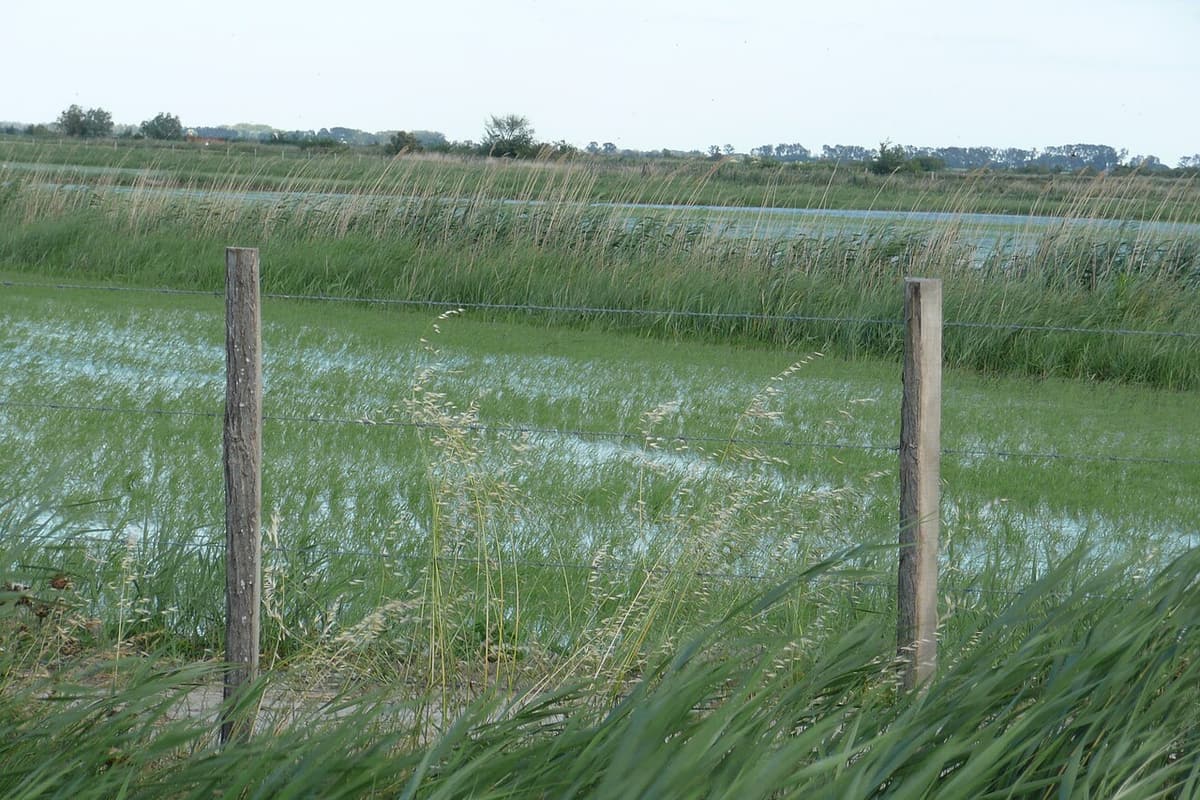
The same idea as a classic safari, but in a silent electric 4x4 — which means you can get closer to animals without the noise of an engine. Small groups, a local guide, flamingos, horses and bulls, and a tasting of Camargue produce.
- 100% electric, silent 4x4
- Small group with a live guide
- Tasting of local products
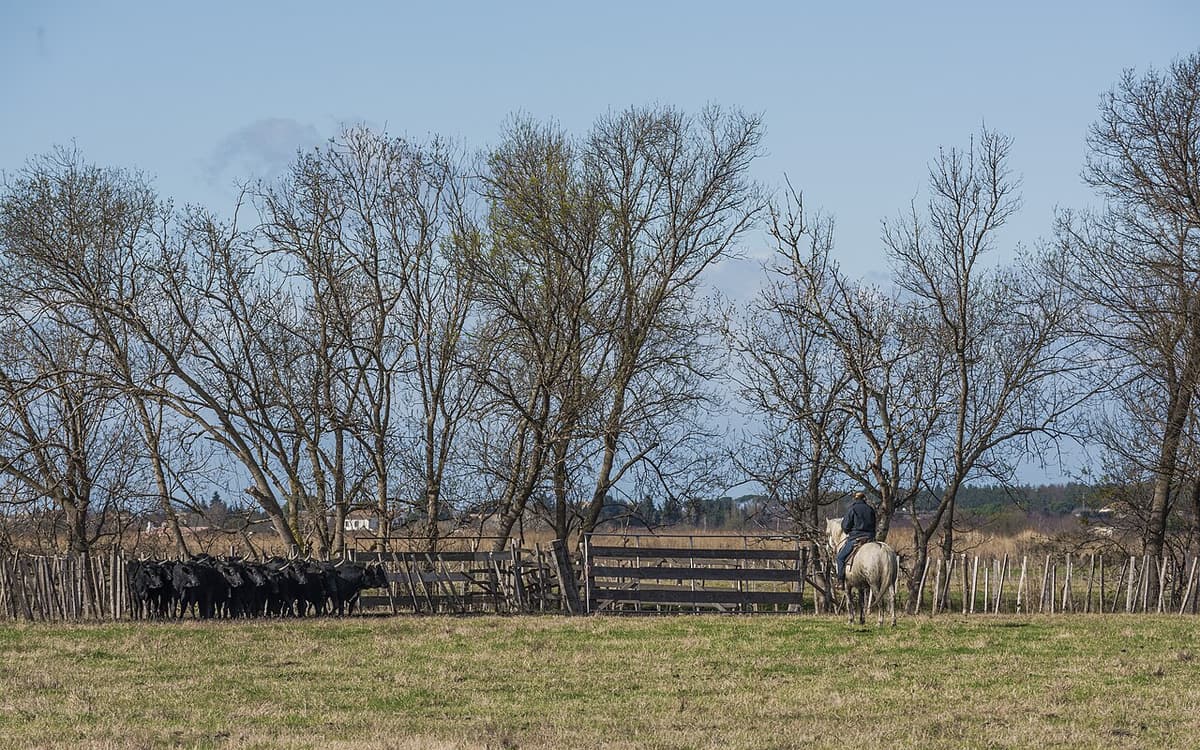 Guided 4WD safari from €59
Arles: Guided 4WD Tour of the Wide-Open Spaces of the Camargue
A three-hour 4WD trip into the Arles side of the Camargue with a local guide, combining wildlife watching with stories of the delta’s traditions and the life of the manades.
- Horses, bulls and flamingos
- Landscapes and traditions explained
- Shorter than most half-days
Full-day guided tour from €150 Arles: Full-Day Camargue Natural Park & Aigues-Mortes Tour
A long day that combines a walking tour of Roman and Van Gogh’s Arles with the Regional Nature Park — bulls, horses and flamingos — and stops in Aigues-Mortes and Saintes-Maries-de-la-Mer.
- Walking tour of Arles
- The Regional Nature Park
- Stops at Aigues-Mortes and Saintes-Maries