Skip to content
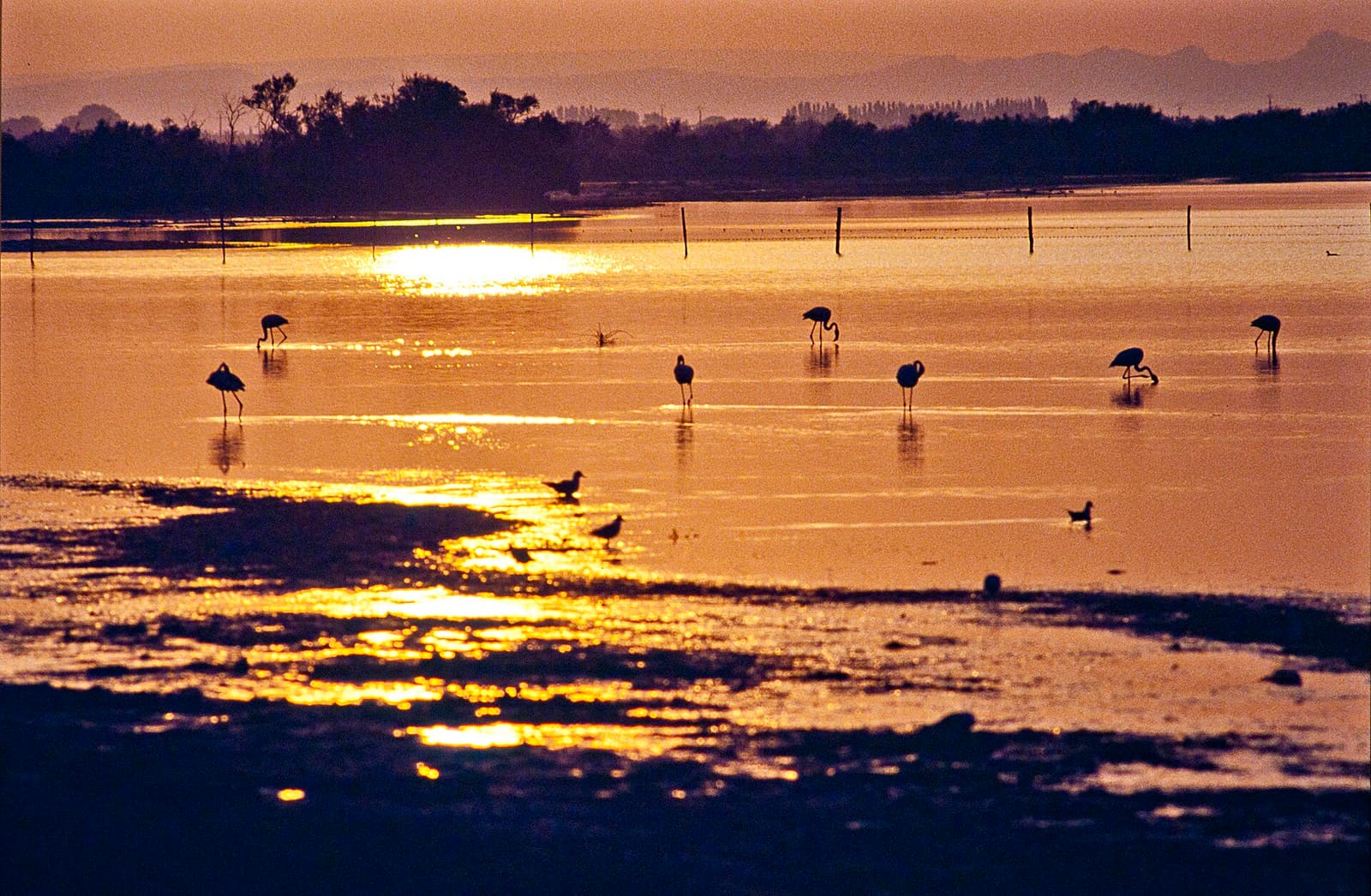
Flamingos silhouetted in the golden water of the Étang de Vaccarès at sunset

Places to See in the Camargue

Three historic towns, a great lagoon, a flamingo park, salt mountains and beaches at the end of the road.

The Camargue’s sights fall into three groups. On its edges stand the historic towns — Arles, Saintes-Maries-de-la-Mer, Aigues-Mortes and Saint-Gilles. Inside are the wetlands: the Étang de Vaccarès, the flamingo park, the river and the farms. And along the sea lie the salt pans and beaches, from the pink ponds of Aigues-Mortes and Salin-de-Giraud to the wild sands of Beauduc and L’Espiguette.

Each place has its own detailed guide below, with what to see, how to get there, practical tips and the tours that go there.
Towns & heritage

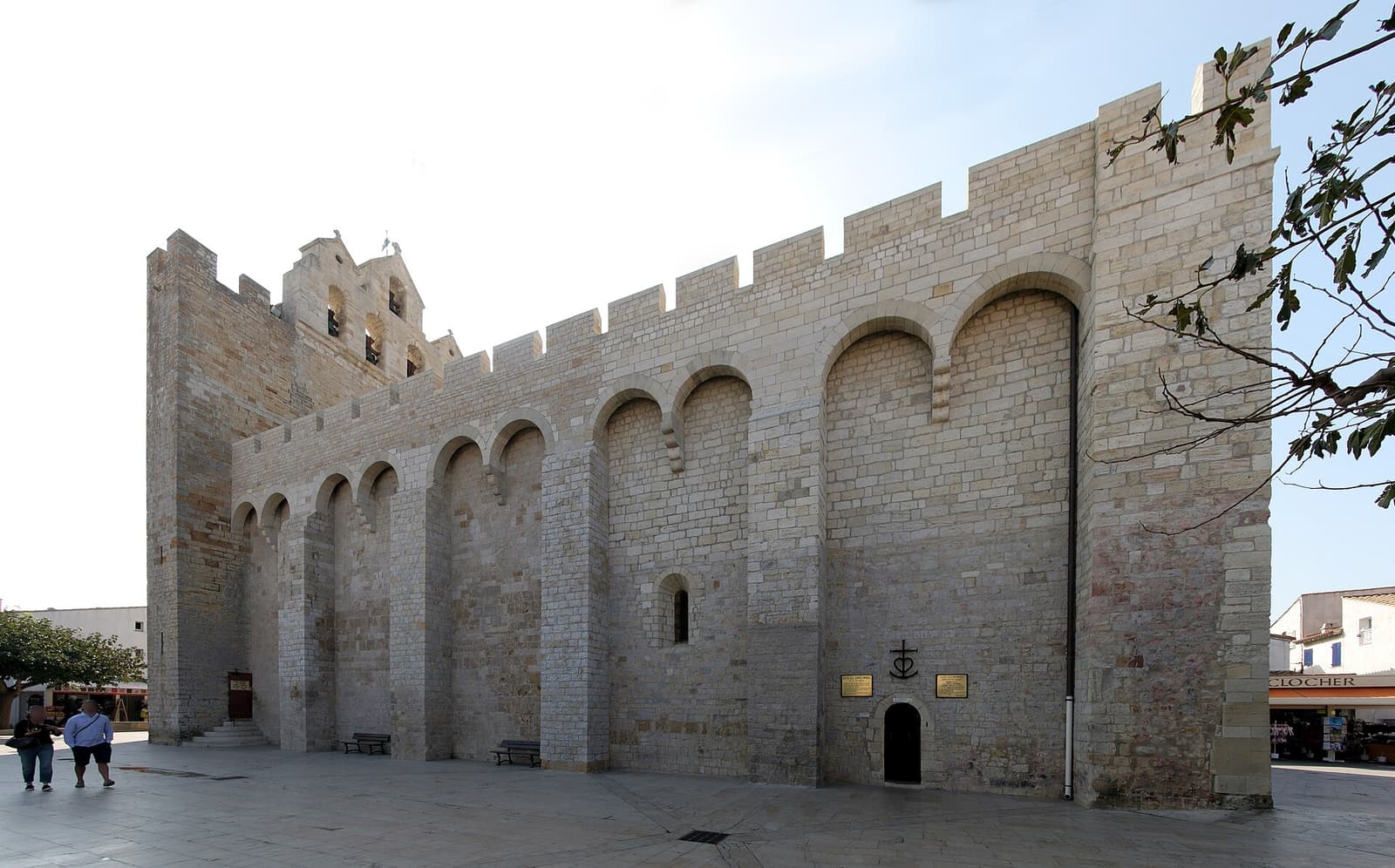
The fortress-like stone church of Notre-Dame-de-la-Mer in Saintes-Maries-de-la-Mer under a bright sky Towns & heritage

Saintes-Maries-de-la-Mer

The capital of the Camargue, on the edge of the sea

The only real town in the heart of the delta: whitewashed houses, seafood restaurants and long sandy beaches gathered around a fortified Romanesque church whose roof you can walk on. It is the home of the gardians and their white horses, the stage for the great Gitan pilgrimage every May, and the natural base for horse rides, 4x4 safaris, boat trips and the flamingo park just up the road.

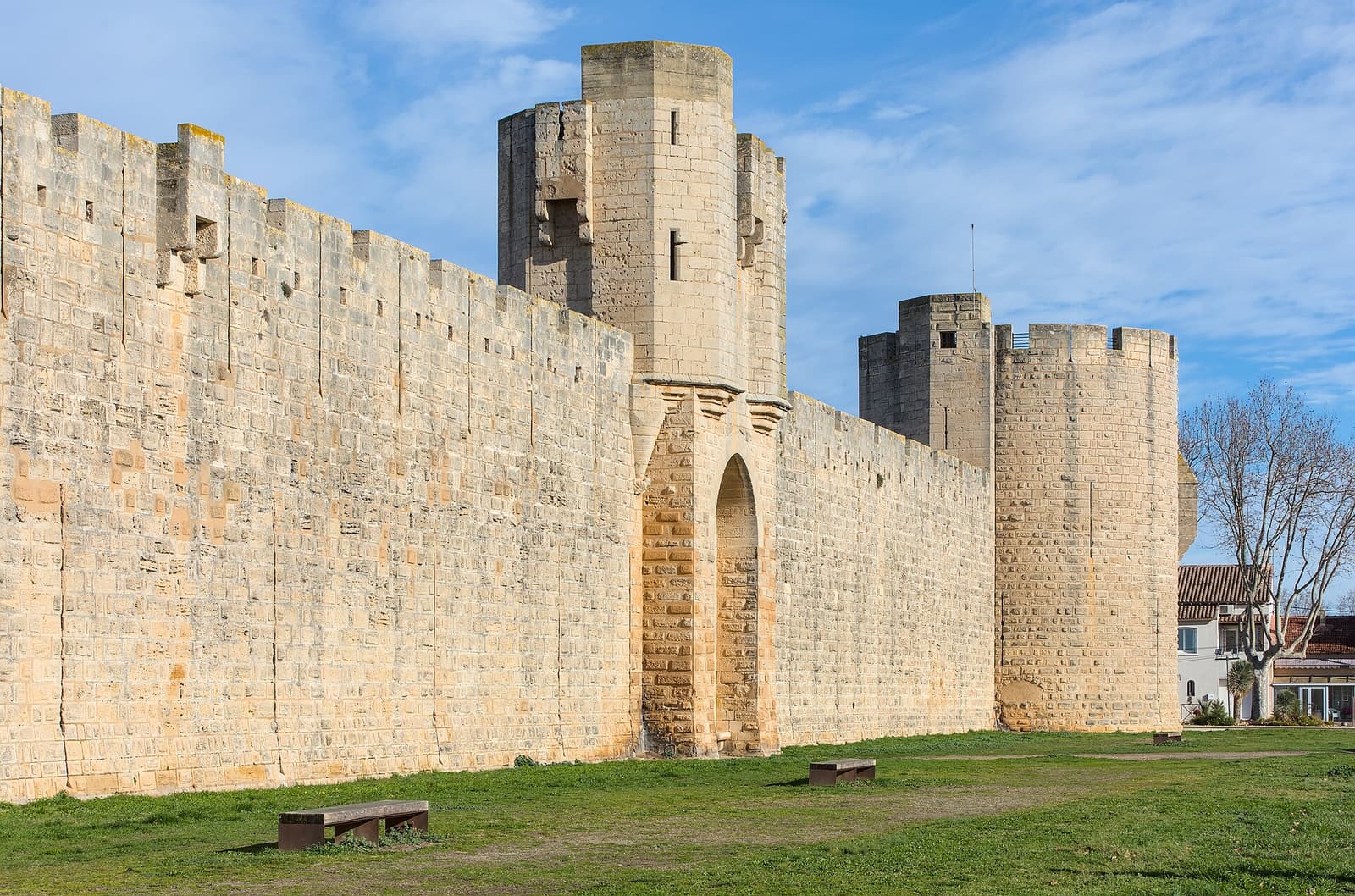
The long honey-coloured ramparts and square towers of Aigues-Mortes on a sunny day Towns & heritage

Aigues-Mortes

A perfect medieval walled town among the salt marshes

Founded by King Louis IX in the 13th century as the port from which he sailed on crusade, Aigues-Mortes still sits inside its complete rectangle of ramparts. You can walk the wall-walk all the way round, climb the great round Tour de Constance, then take the little train into the pink salt pans just outside the gates.

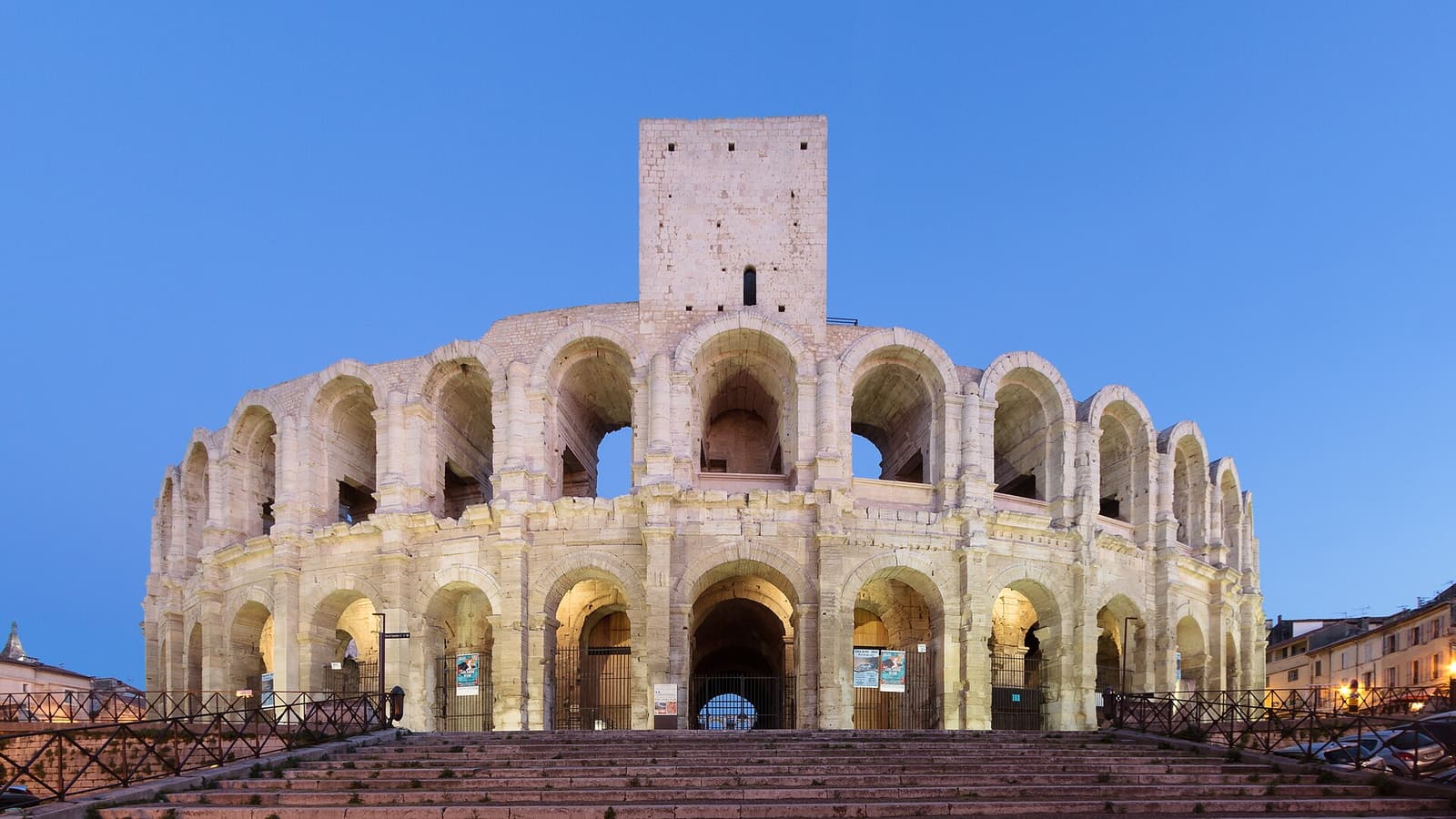
The two-tiered Roman amphitheatre of Arles lit up at dusk Towns & heritage

Arles

Roman monuments, Van Gogh and the gateway to the delta

The Camargue begins at the gates of Arles, and most of the delta actually belongs to this large commune. The old town is a UNESCO World Heritage site packed with Roman and Romanesque monuments — the amphitheatre, the ancient theatre, Saint-Trophime — and with places Van Gogh painted in 1888–89. Add the LUMA arts campus, the summer photography festival and good restaurants, and it is the most comfortable base for exploring the Camargue.

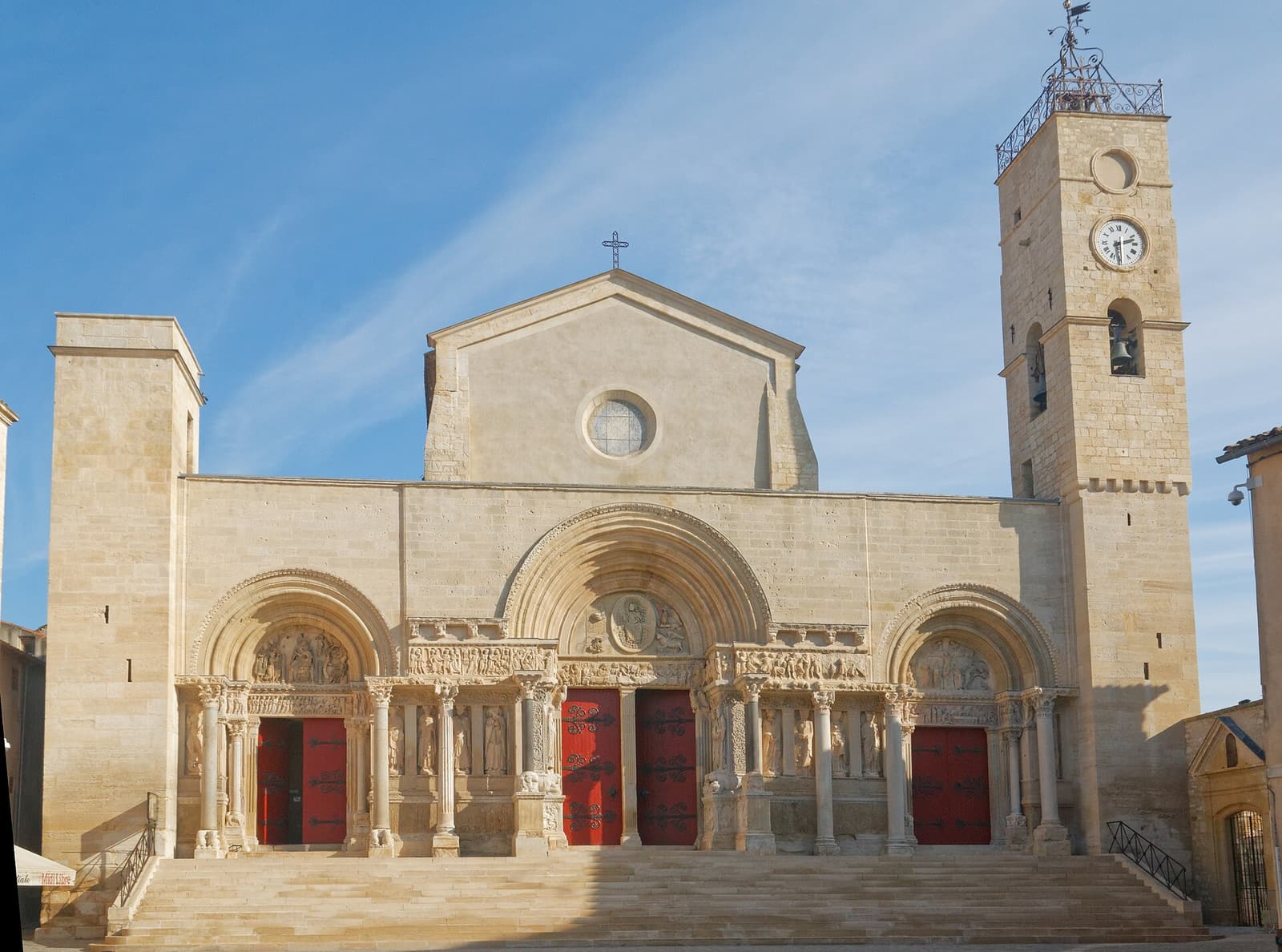
The sculpted three-portal Romanesque façade of the abbey church of Saint-Gilles Towns & heritage

Saint-Gilles

A Romanesque masterpiece on the edge of the Petite Camargue

A small market town on the western rim of the delta, once one of the great pilgrimage stops of medieval Europe. Its abbey church has one of the finest Romanesque sculpted façades in France, listed by UNESCO as part of the Routes of Santiago de Compostela, and a famous spiral staircase. Boat trips and rice fields begin just outside town.

Wetlands & wildlife

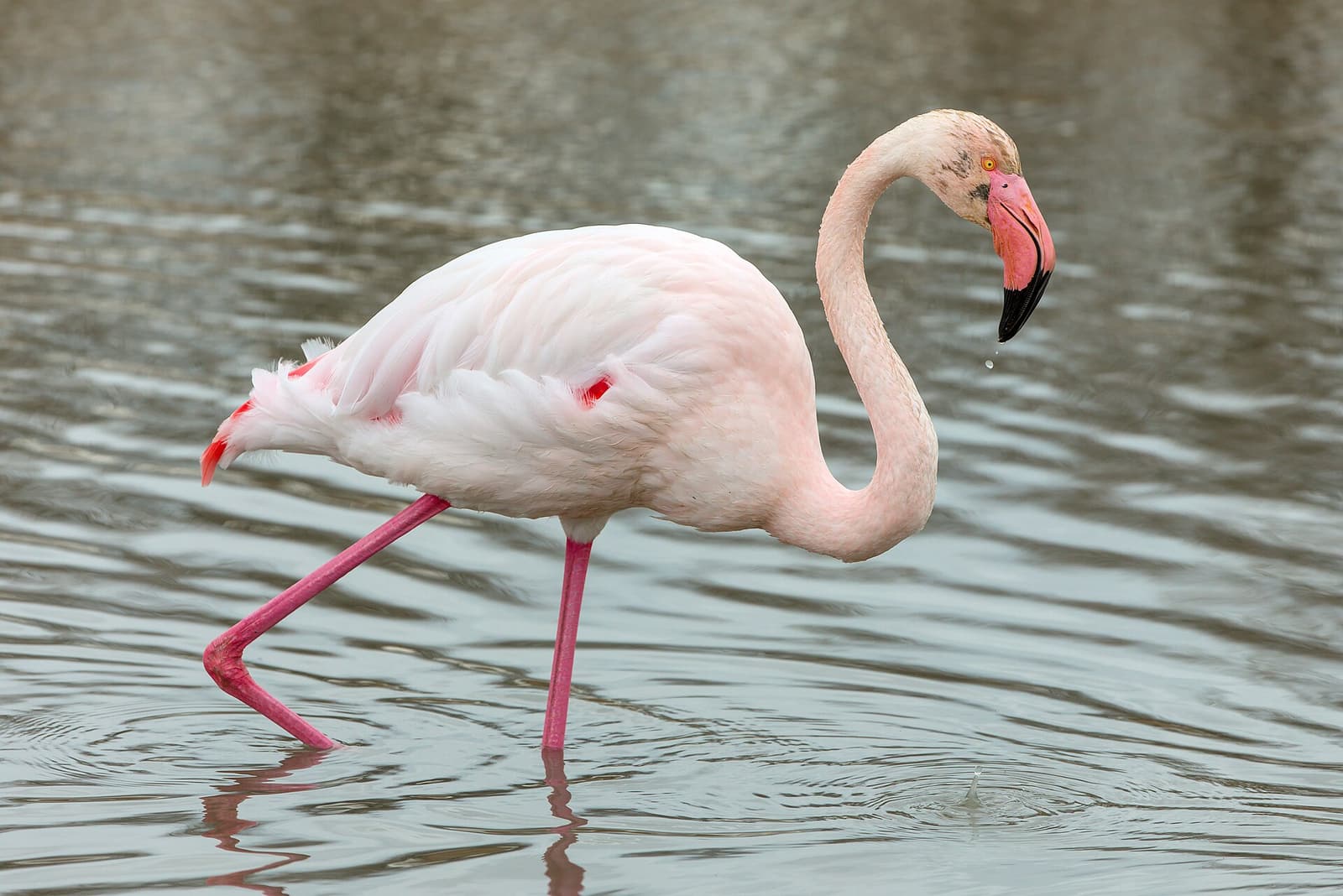
A greater flamingo wading in shallow water at the Pont de Gau bird park Wetlands & wildlife

Pont de Gau Bird Park

Flamingos close enough to photograph without a long lens

The Parc Ornithologique du Pont de Gau, four kilometres north of Saintes-Maries, is the easiest place in the Camargue to see greater flamingos up close. Around 60 hectares of ponds and marsh are threaded with level footpaths of about seven kilometres in total, with hides and information boards. The birds are wild and come and go freely; many feed only metres from the paths.

Flamingos silhouetted in the golden water of the Étang de Vaccarès at sunset Wetlands & wildlife

Étang de Vaccarès

The great lagoon at the heart of the delta

The Camargue’s largest lagoon, a shallow sheet of brackish water of around 6,500 hectares, lies at the centre of the Réserve Naturelle Nationale de Camargue. Most of its shores are off limits to protect wildlife, but the reserve’s visitor centre at La Capelière has trails and hides, and the roads along its edges are among the best places to watch flamingos, herons and wildfowl at sunrise and sunset.

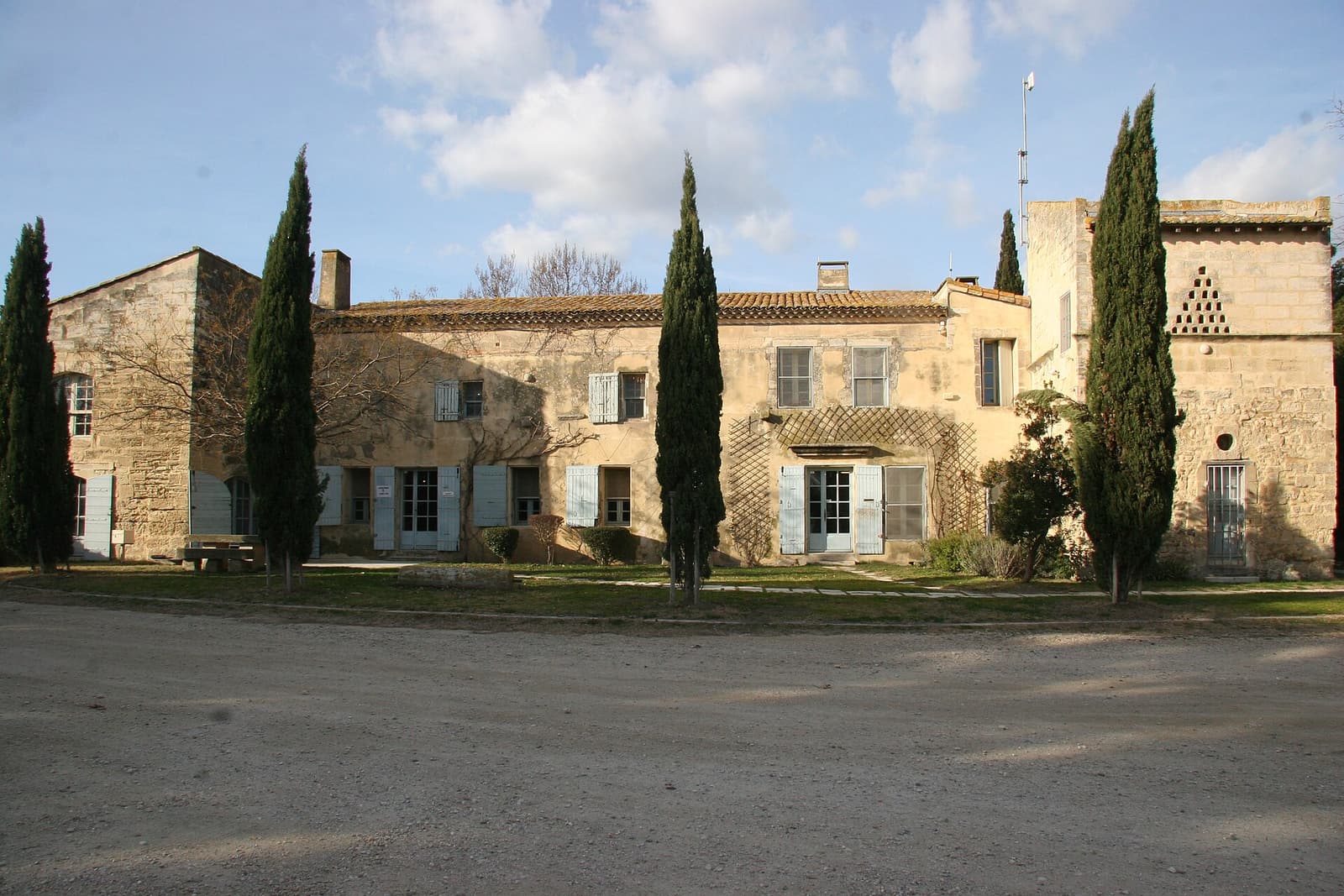
The stone farmhouse of the Mas du Pont de Rousty, home of the Musée de la Camargue, flanked by cypress trees Wetlands & wildlife

Musée de la Camargue

The story of the delta in an old sheepfold

Housed in the former sheepfold of the Mas du Pont de Rousty farm, ten kilometres from Arles on the road to Saintes-Maries, the museum of the Regional Nature Park explains how people have lived in the delta: the gardians and their herds, rice and salt, the river and the dykes. A farm trail of about three and a half kilometres leads out through the fields to an observation tower.

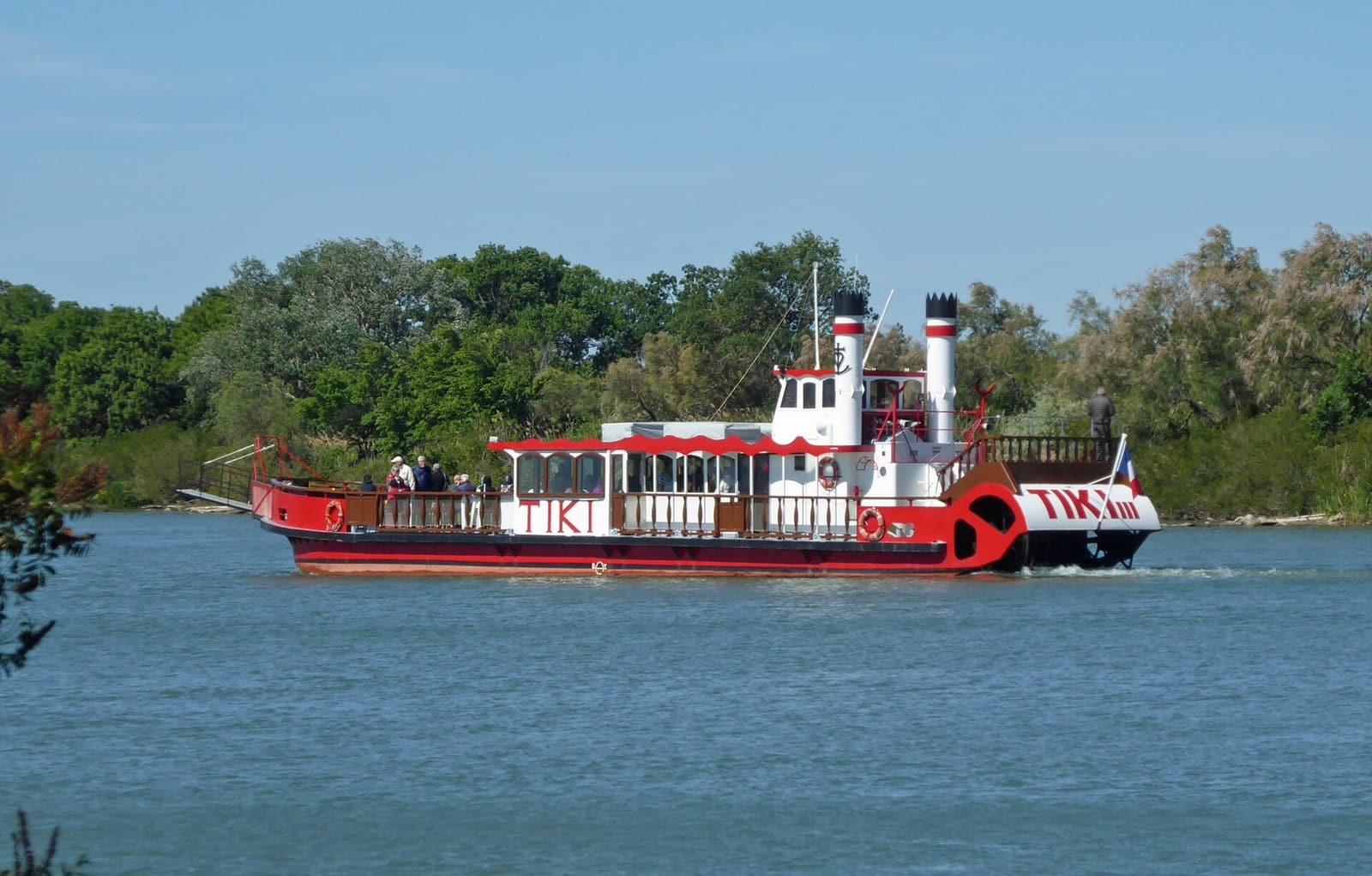
The red and white excursion boat Tiki III sailing on the Petit Rhône between wooded banks Wetlands & wildlife

Petit Rhône

Boat trips and a free ferry on the delta’s western arm

The smaller of the Rhône’s two arms forms the western edge of the Grande Camargue. Excursion boats leave from its banks just outside Saintes-Maries for trips of about an hour and a half past grazing horses and bulls, herons and riverside farms, and the little Bac du Sauvage ferry still carries cars, cyclists and riders across for free.

Salt pans & beaches

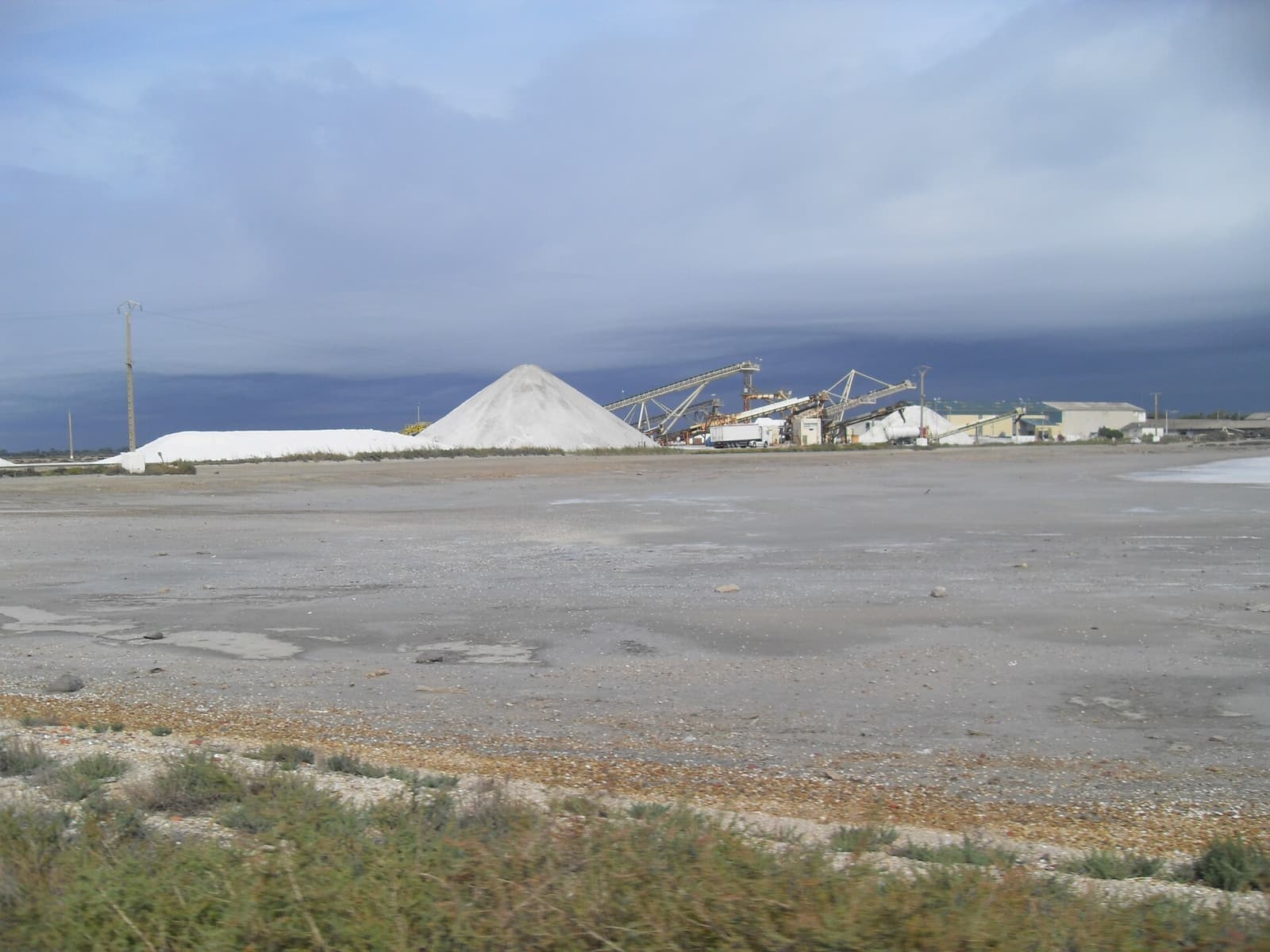
A white mountain of harvested salt beside the flat salt pans of Aigues-Mortes Salt pans & beaches

Salins d’Aigues-Mortes

Pink lagoons and white mountains of salt

Just south of the ramparts of Aigues-Mortes, one of the Mediterranean’s great salt works spreads across some 10,000 hectares of evaporation ponds. Microscopic algae turn the brine shades of pink in summer, and in the harvest season the salt is piled into huge white “camelles”. Guided visits by little train, on foot or by bike run for much of the year.

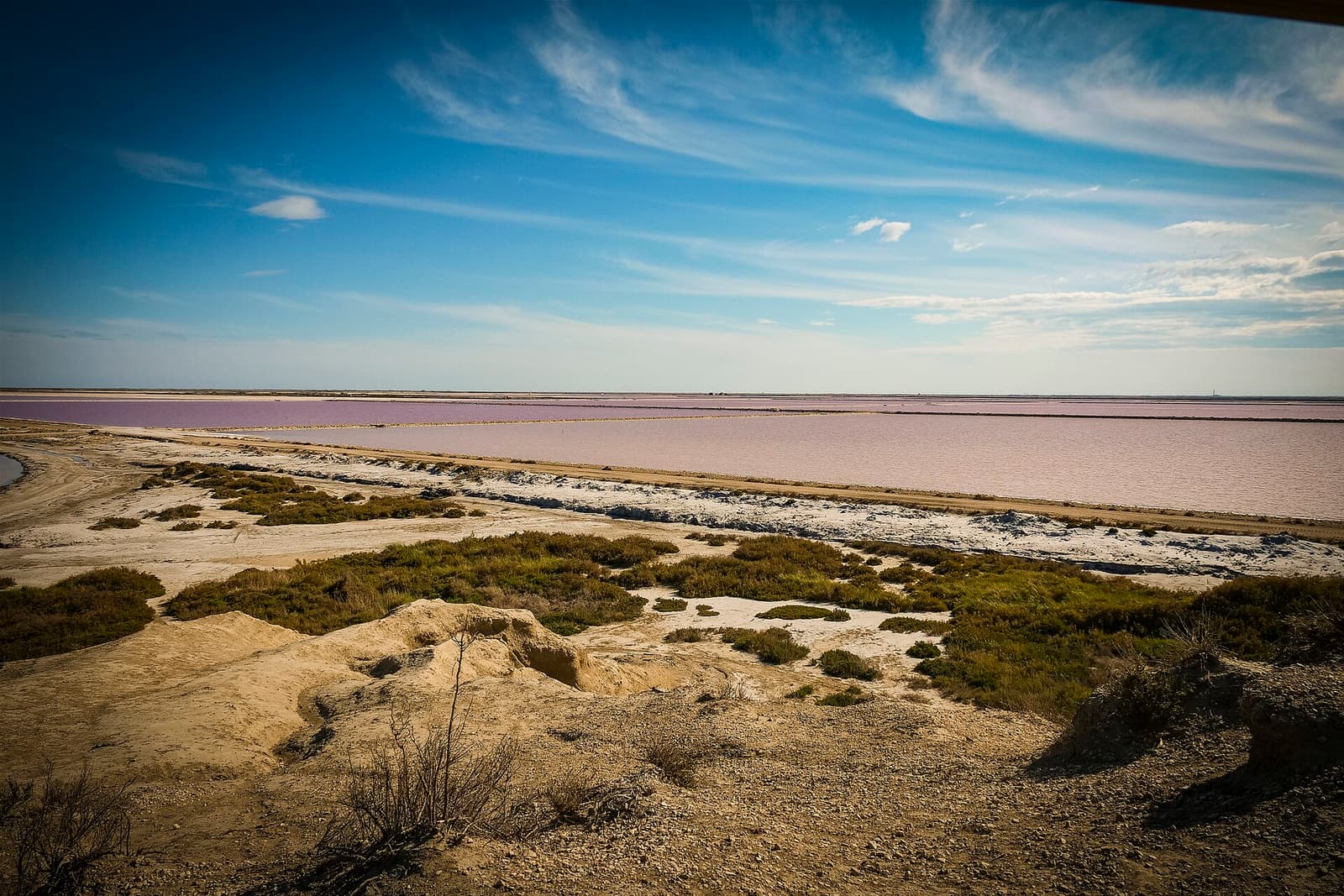
Bright pink salt lagoons edged with sandy dunes and scrub near Salin-de-Giraud Salt pans & beaches

Salin-de-Giraud

A salt town at the end of the road

In the far south-east of the Camargue, on the Grand Rhône, Salin-de-Giraud grew up around its salt works in the 19th century, with tidy rows of workers’ houses built by the chemical companies. Today it is the gateway to the vast pink saltscapes of the eastern delta, the viewpoint over the salt mountains, the Domaine de la Palissade and the wild beaches of Piémanson and Beauduc.

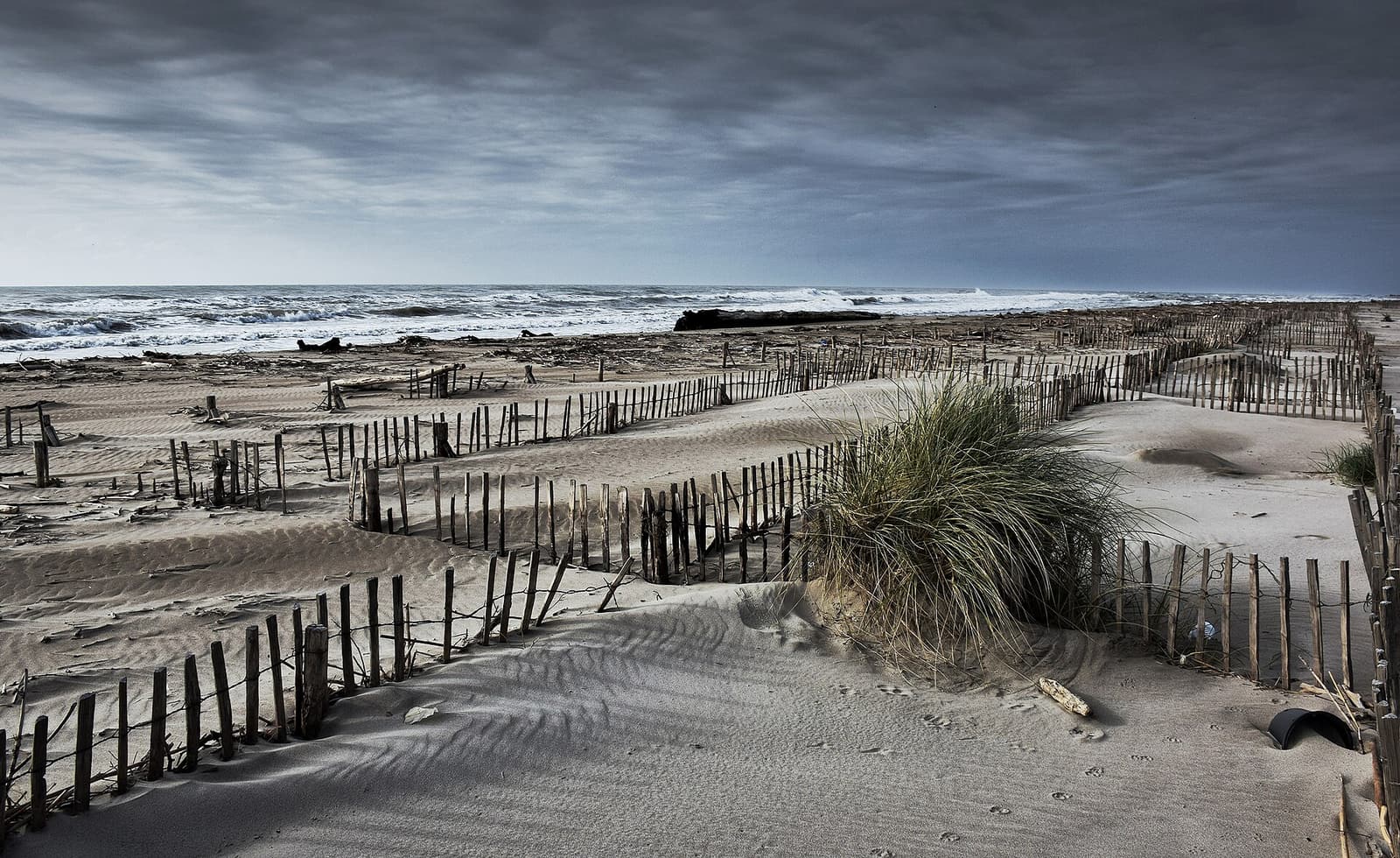
The long empty sand of Piémanson beach with wooden dune fences and a wide sky Salt pans & beaches

Beauduc & Piémanson

Wild beaches at the end of the world

Beyond Salin-de-Giraud the road gives out on the sand. Piémanson, the “beach of Arles”, is a vast open strand at the mouth of the Grand Rhône; Beauduc, reached by rough tracks across the salt flats, is a windswept cape of shacks, kitesurfers and huge skies. Both are entirely undeveloped — bring everything you need, and respect the closures that protect nesting birds and dunes.

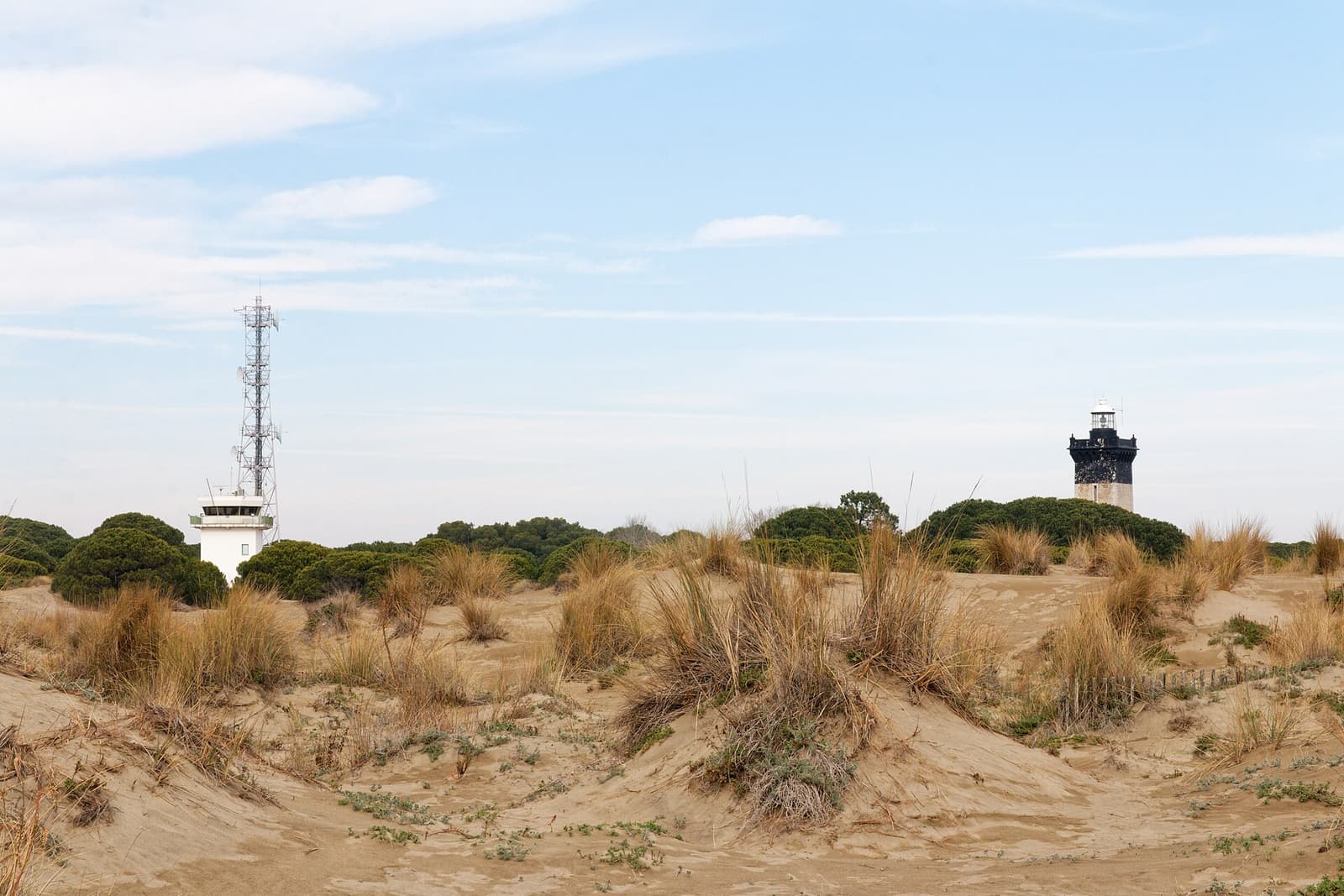
Dunes and marram grass on L’Espiguette beach with the lighthouse in the distance Salt pans & beaches

L’Espiguette & Le Grau-du-Roi

Big dunes, a lighthouse and a fishing port

On the western shore of the delta in the Gard, the fishing port of Le Grau-du-Roi and the huge marina of Port Camargue look out over one of the finest natural beaches on the French Mediterranean: the dune-backed sweep of L’Espiguette, watched over by its 19th-century lighthouse. Catamarans, dolphin-watching trips and 4x4 safaris leave from the port.

How to fit them together

  • The classic day: Arles → Musée de la Camargue → Pont de Gau bird park → Saintes-Maries-de-la-Mer, with a safari, horse ride or boat trip.
  • The western day: Aigues-Mortes ramparts and the salt train → lunch in town → L’Espiguette beach or a sunset catamaran.
  • The wild day: Arles → the Vaccarès and La Capelière → Salin-de-Giraud and the salt viewpoint → Piémanson beach.

Distances are short but roads are slow and winding, and bridges over the Rhône are few — plan your route around them. Our itineraries show how, and the tours solve the transport.

Plan your Camargue trip

The Camargue is hard to see without wheels. Let a guide drive.

There are no trains inside the delta and the best tracks are on private land. A half-day safari, a horse ride or a day tour from Arles, Avignon or Montpellier solves both problems — and most can be cancelled free of charge.