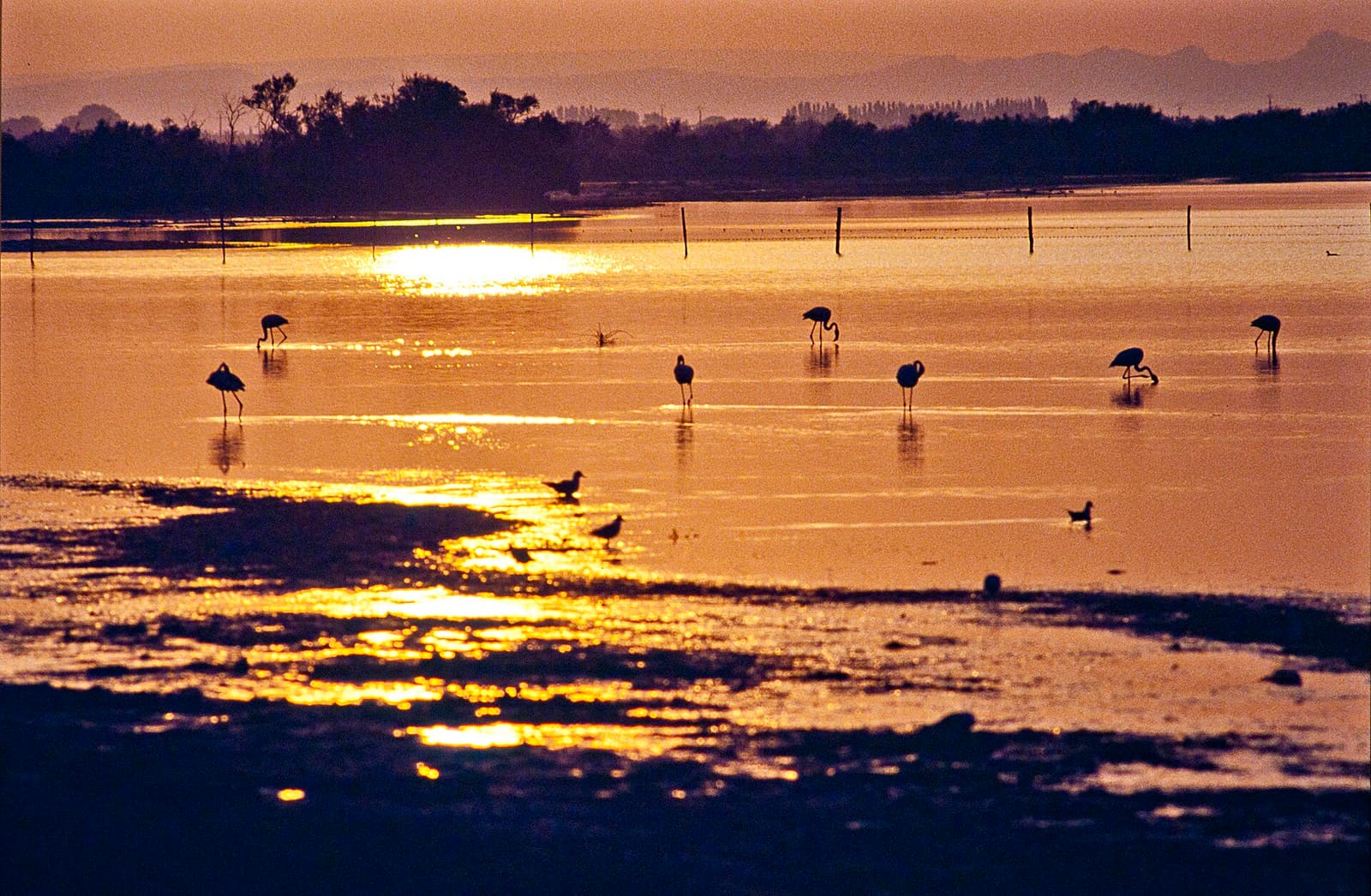
Three animals define the Camargue: the pink flamingo, the white horse and the black bull. Around them lives one of the richest bird communities in Europe — over 300 species have been recorded in the delta. Here is how to see them well.
Greater flamingos
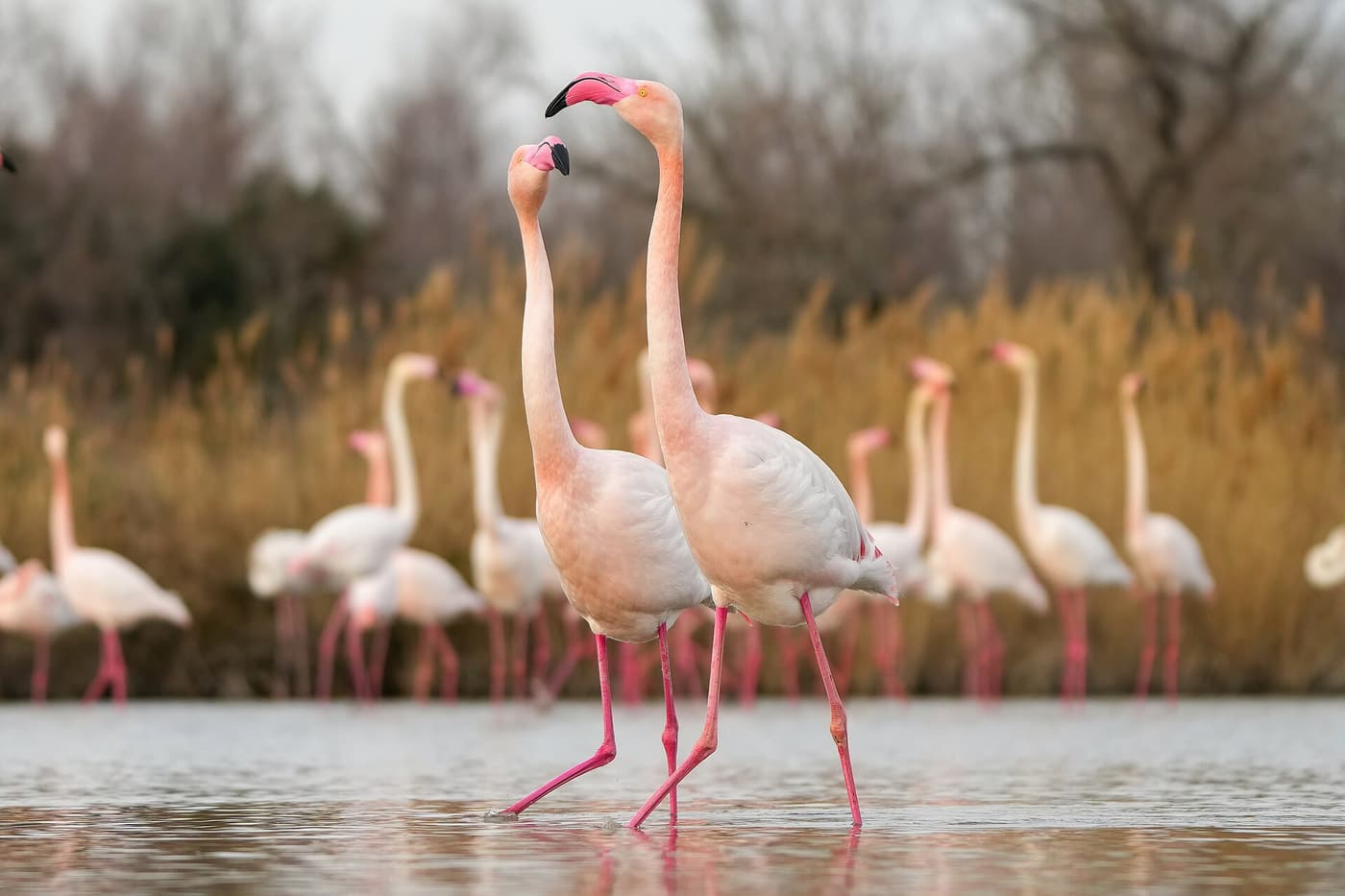
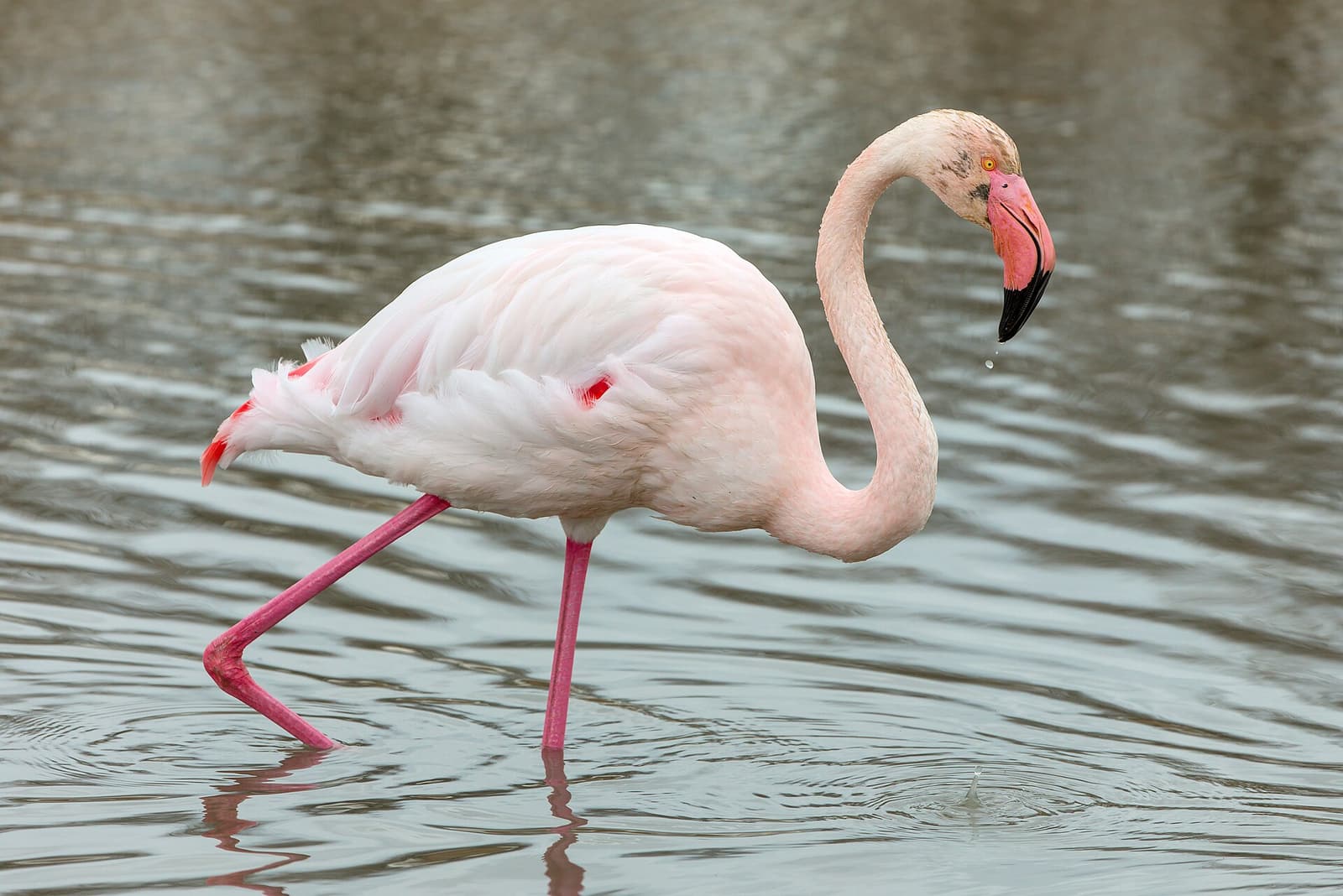
The greater flamingo is the emblem of the Camargue. Thousands live here all year, and the delta holds one of the main breeding colonies in the Mediterranean, on protected islands in the salt lagoons. Their pink colour comes from the carotenoid pigments in the brine shrimp and algae they filter from the water with their upside-down bills.
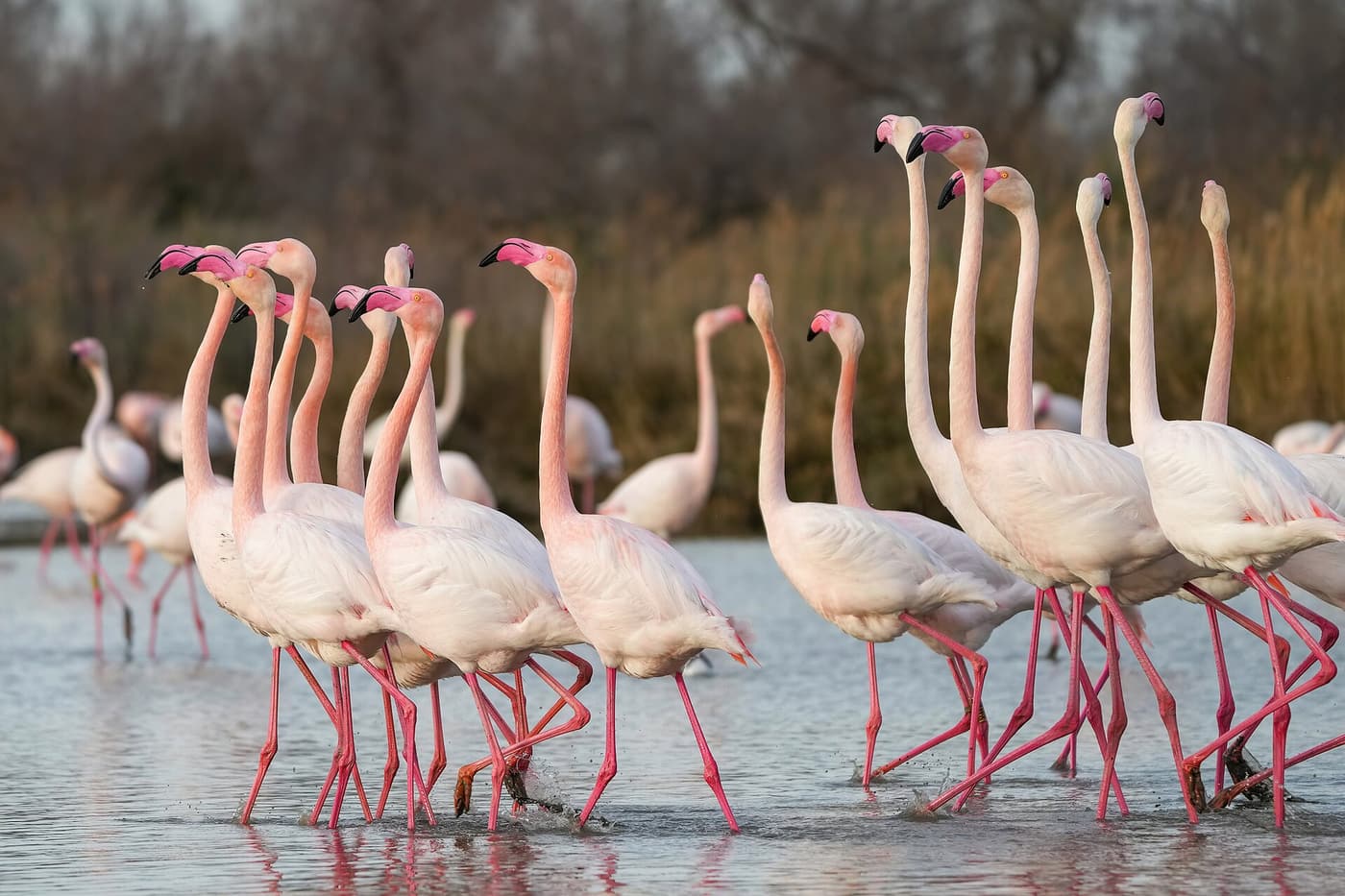
- Closest views: the Pont de Gau bird park, where they feed metres from the paths.
- Wild and en masse: the lagoons along the D37 and D36b around the Étang de Vaccarès, the salt pans of Salin-de-Giraud and Aigues-Mortes, and the ponds beside the road to Saintes-Maries.
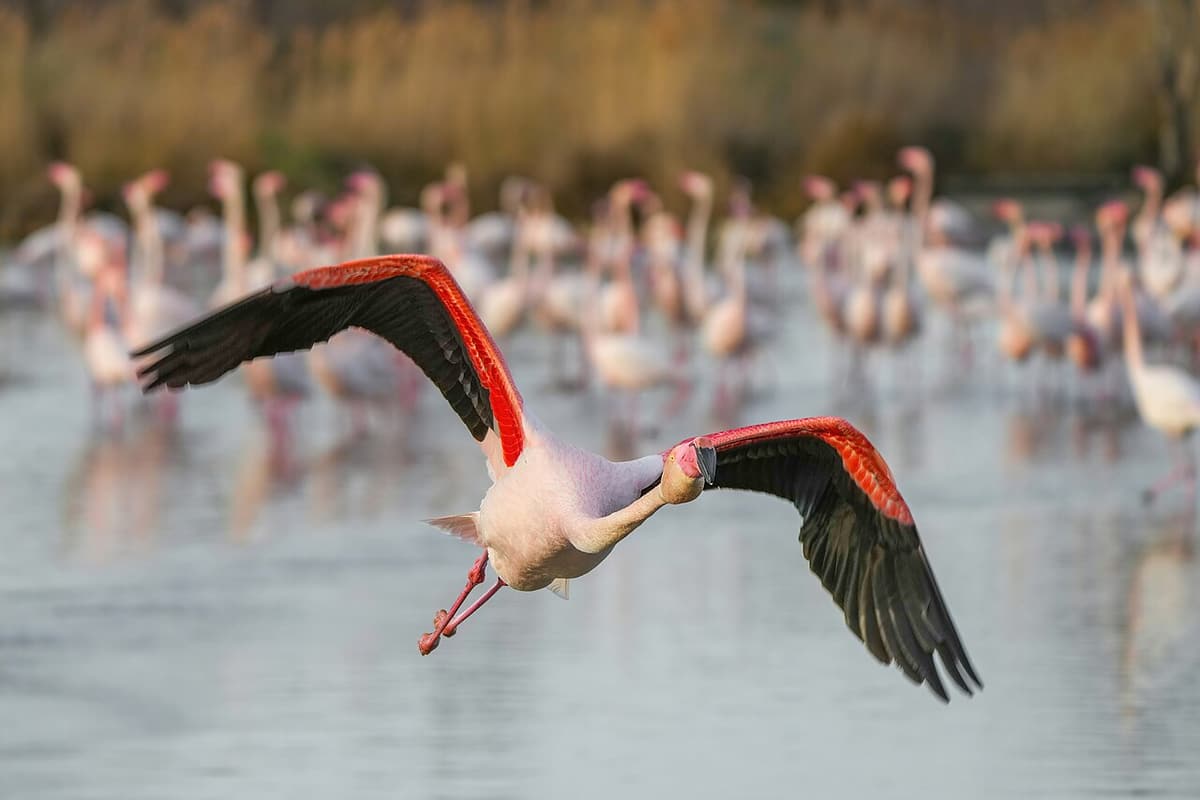
- In flight: at dawn and dusk, when flocks move between feeding sites, showing the black and scarlet of their wings.
- From the water: on a sunrise or sunset kayak trip in the Petite Camargue.
White Camargue horses
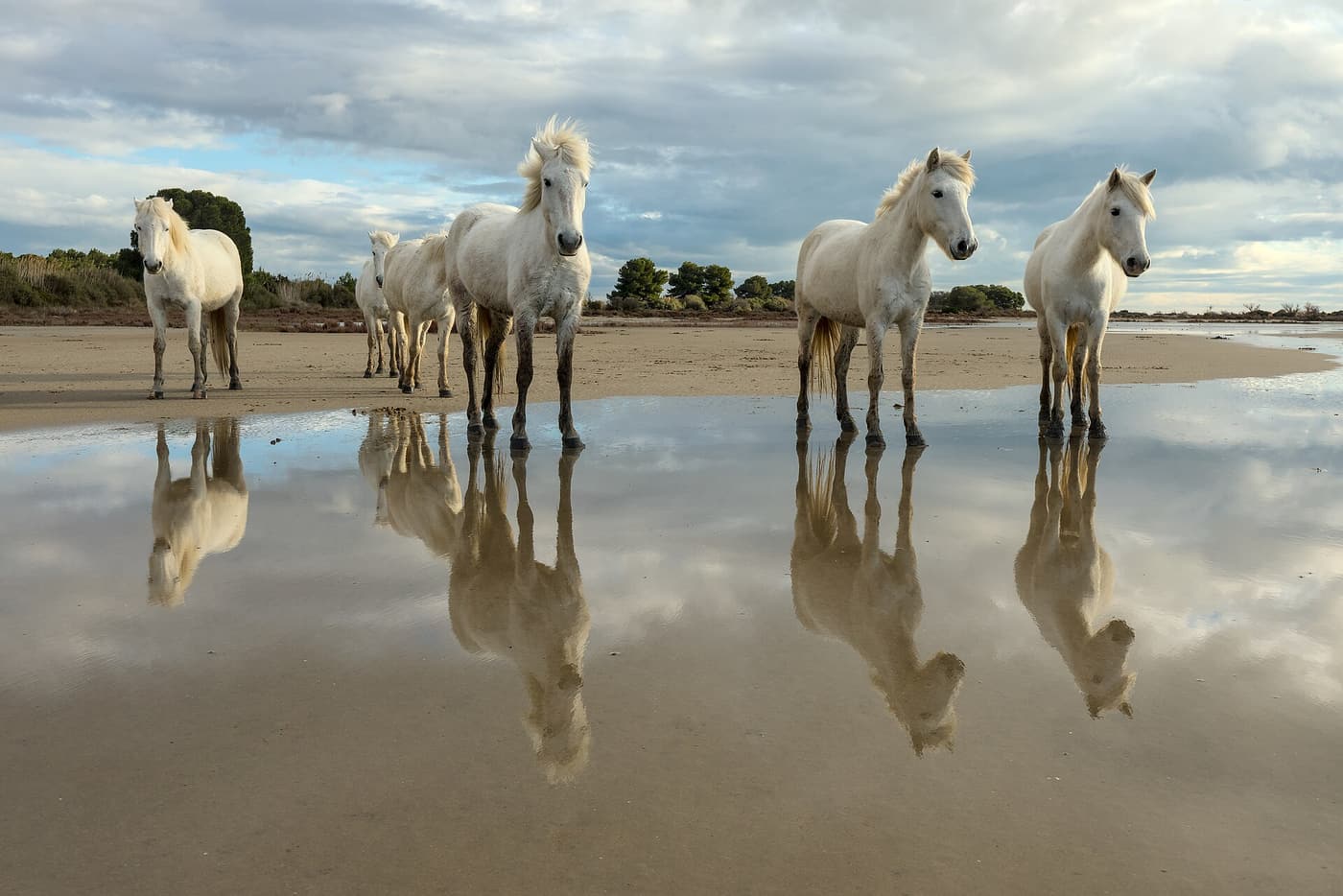
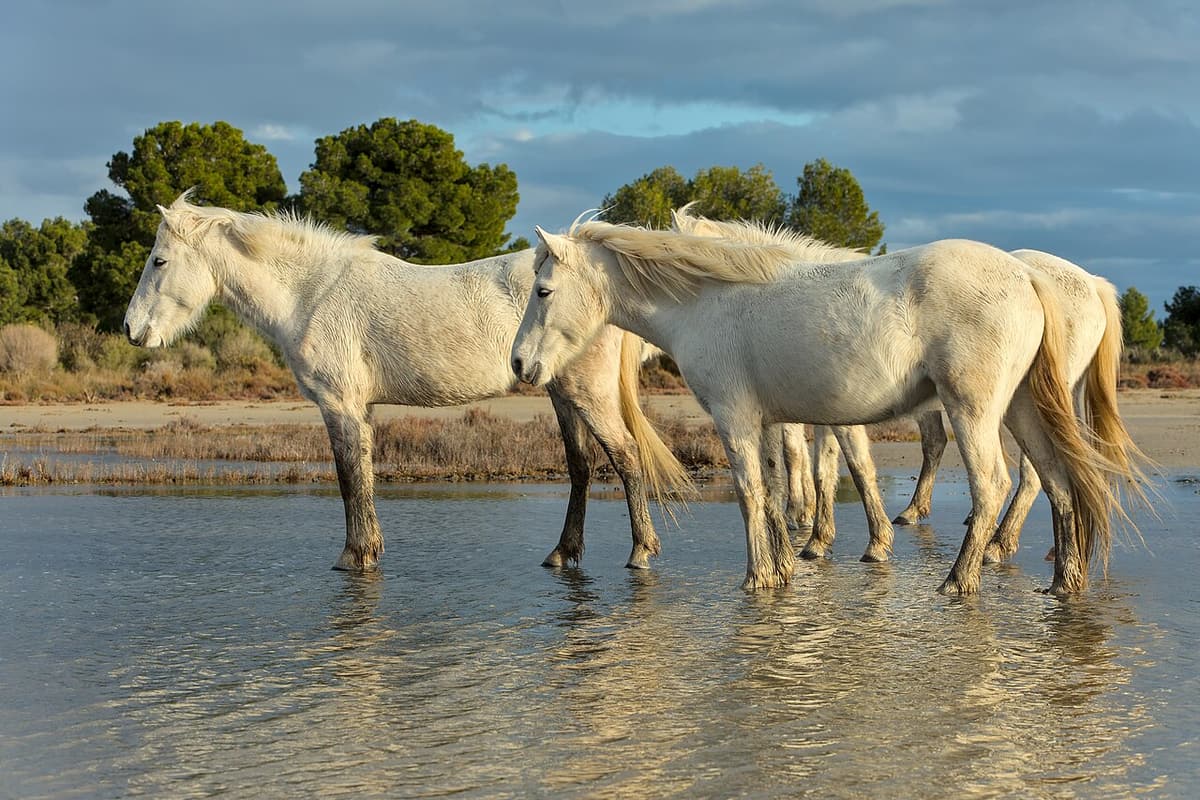
The Camargue horse is one of the oldest breeds in the world: small, robust and sure-footed in marsh and water. Foals are born dark — brown or black — and turn white-grey over several years. The horses live outdoors all year in herds on the estates, and are the working mounts of the gardians.
Riding in the Camargue
Riding a Camargue horse through the marshes and along the beach is the classic experience. Stables — centres de tourisme équestre — line the roads around Saintes-Maries-de-la-Mer, and many mas offer rides.
- One- and two-hour rides at a walk are suitable for beginners and older children; longer and beach rides for experienced riders.
- Choose a stable with well-kept horses, small groups and helmets provided; ask whether rides are guided.
- Wear long trousers and closed shoes, and bring repellent in summer.
- You can book rides online from Saintes-Maries with confirmed times.
| Where | What you will see | Best time |
|---|---|---|
| Pont de Gau bird park | Flamingos up close, herons, egrets, waders | All year; early morning and late afternoon |
| Étang de Vaccarès & La Capelière | Flamingos, wildfowl, herons, raptors | Dawn and dusk; winter and spring |
| Salt pans (Salin-de-Giraud, Aigues-Mortes) | Flamingos, avocets, gulls and terns | Spring and summer |
| Marais du Vigueirat | Herons, egrets, marsh birds, guided walks | Spring and autumn |
| Manades on safari | Bulls, horses, gardians at work | All year |
| Petit Rhône by boat | Herds on the banks, herons, kingfishers | Spring to autumn |
 Guided 4x4 safari from €59
From Arles: Half-Day 4x4 Camargue Safari
The Camargue’s most-reviewed safari, with more than 2,000 reviews. An open 4x4 leaves Arles for the Regional Nature Park, following tracks onto estates you could not drive alone to see the herds of white horses and black bulls and the birds of the lagoons. The guide explains the landscape, the manades and the traditions as you go.
- Wild-looking horses, black bulls and flamingos
- Commentary from a local guide
- Transport from Arles included
 Convertible 4x4 safari from €50
Camargue: Safari from Saintes-Maries-de-la-Mer
A two-hour ride in a convertible 4x4 through the landscapes around Saintes-Maries, the heart of the Camargue. A good choice if you are already in town and want to see the manades and lagoons without committing half a day.
- Short and good value
- Open-top 4x4
- Leaves from the town centre
Small-group horseback ride from €89 Saintes-Maries-de-la-Mer: Purebred Camargue Horseback Ride
Ride one of the white horses of the delta through the marshes near Saintes-Maries on a guided small-group outing. Choose the duration that suits your experience; beginners are usually accepted, but check the listing.
- Purebred Camargue horses
- Rides through the reserve
- Small group
 Small-group 4x4 photo safari from €60
Aigues-Mortes: Jeep Photo Safari in Camargue
A 4x4 safari designed for photographers, with time to stop and frame shots of horses and bulls in their pastures and of birds and flamingos on the lagoons. Small groups and a guide who knows the light.
- Small group
- A guide passionate about photography
- Horses, bulls, birds and flamingos
 Guided electric safari from €49.5
Camargue: Electric Safari in a Private Reserve with Horses
Three hours in an electric vehicle on a private reserve, with a local guide pointing out wildlife and horses among the wetlands, away from the busier routes.
- A private reserve away from the crowds
- Wildlife, horses and wetlands
- Local guide
 Guided kayak eco-tour from €80
Montpellier: Eco Tour by Kayak in the Camargue
A guided kayak trip on the lagoons of the Petite Camargue Natura 2000 site east of Montpellier, at dawn or at sunset, when flamingos are most active and the light is beautiful. The guide explains the natural heritage of the lagoon.
- Early morning or sunset
- Flamingos on the lagoon
- A Natura 2000 site of the Petite Camargue
 Electric-vehicle nature outing from €45 per group
Camargue: Horses and Wild Birds by Electric Vehicle in the Petit Rhône Reserve
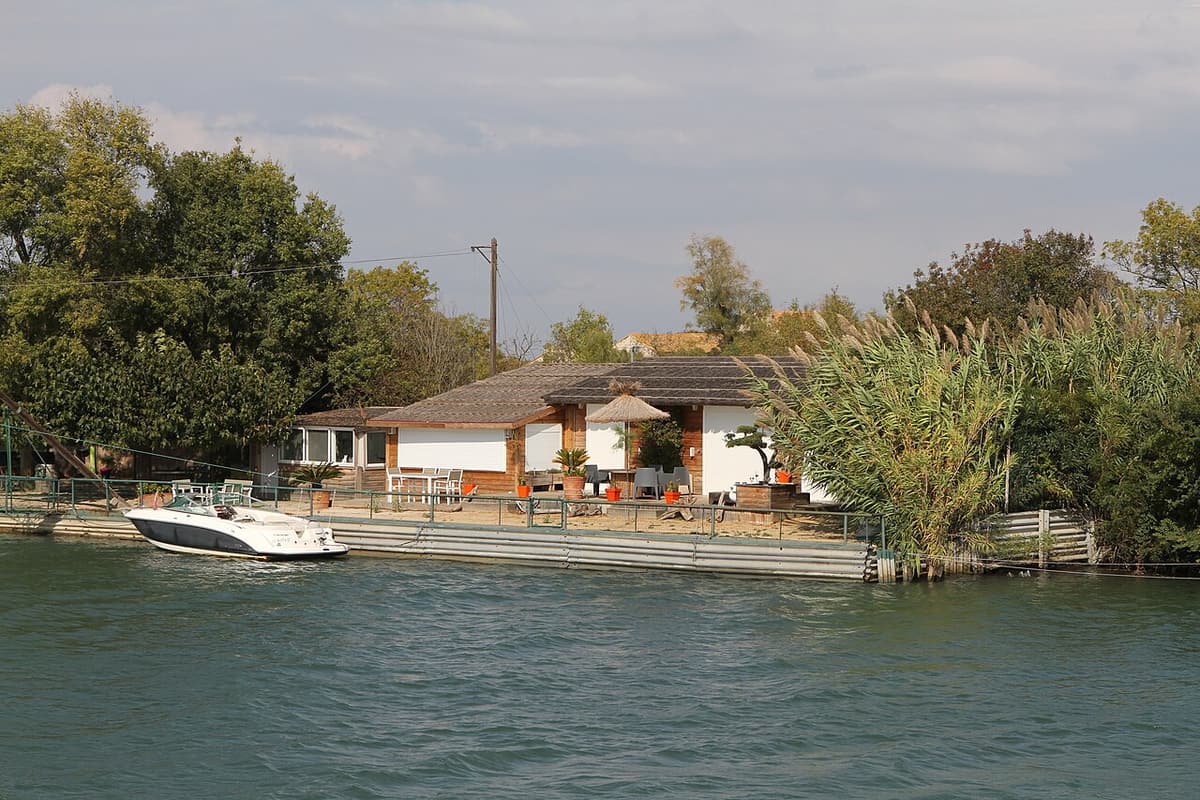
A gentle three-hour immersion in a nature reserve on the Petit Rhône, travelling by electric vehicle among free-roaming horses and wild birds. Priced per vehicle on GetYourGuide — check the listing for group size.
- Peaceful outing by electric cart
- Free-roaming horses and wild birds
- Unspoiled riverside nature
 Full-day guided tour from €130
From Avignon: Camargue Tour with Pont de Gau Bird Park Entry
A full day from Avignon covering the essentials: flamingos at the Pont de Gau bird park (entry included), the towns of the delta, Mediterranean beaches, the marshes and the manades.
- Pont de Gau bird park entry
- Historic towns and beaches
- Bulls and horses in their pastures
Black bulls and the manades
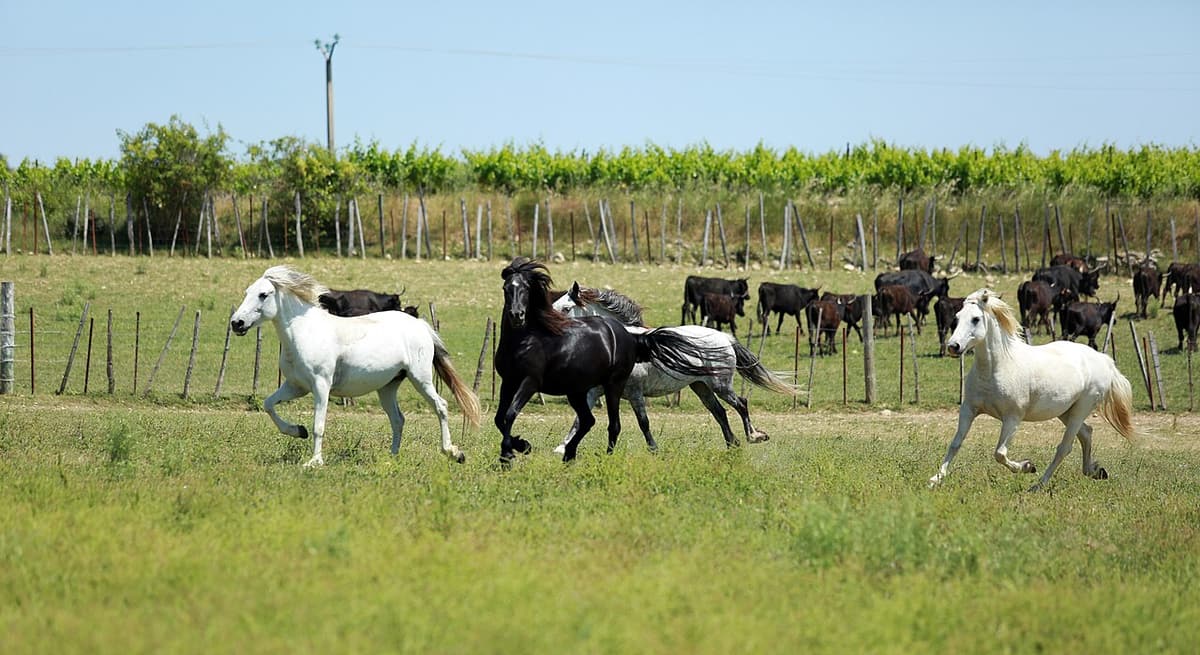
The Camargue bull — raço di biòu in Provençal — is a small, agile black breed with lyre-shaped horns, raised in semi-wild herds called manades. The manadier owns the herd; the gardians, the mounted herdsmen with their long tridents, move and sort the animals on horseback. Camargue bull meat has a protected designation of origin (AOP Taureau de Camargue).
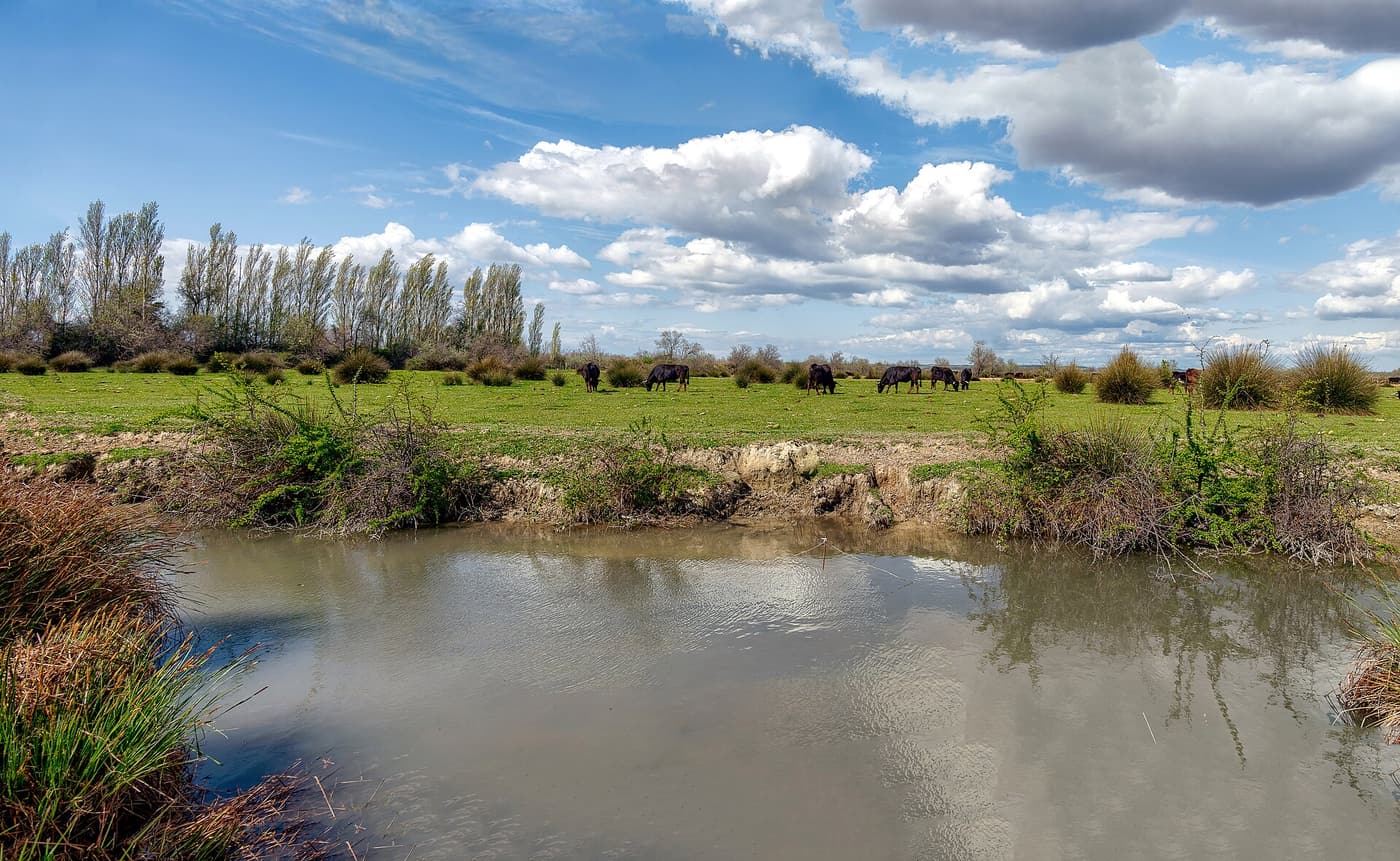
The best way to see a manade is on a safari or at a manade that welcomes visitors for a day of sorting and a meal. Never enter a pasture alone: the bulls are bred for agility and spirit.
The course camarguaise
The local bull game is not a bullfight. In the course camarguaise, young men in white — the raseteurs — try to snatch small ribbons and tassels (the attributs) from between the bull’s horns with a small hook, then leap the barrier as the bull charges. The bull is not harmed; the best bulls become stars, return to their herd and are honoured when they retire. Courses take place in village arenas from about March to November, with the great Cocarde d’Or in Arles in July.
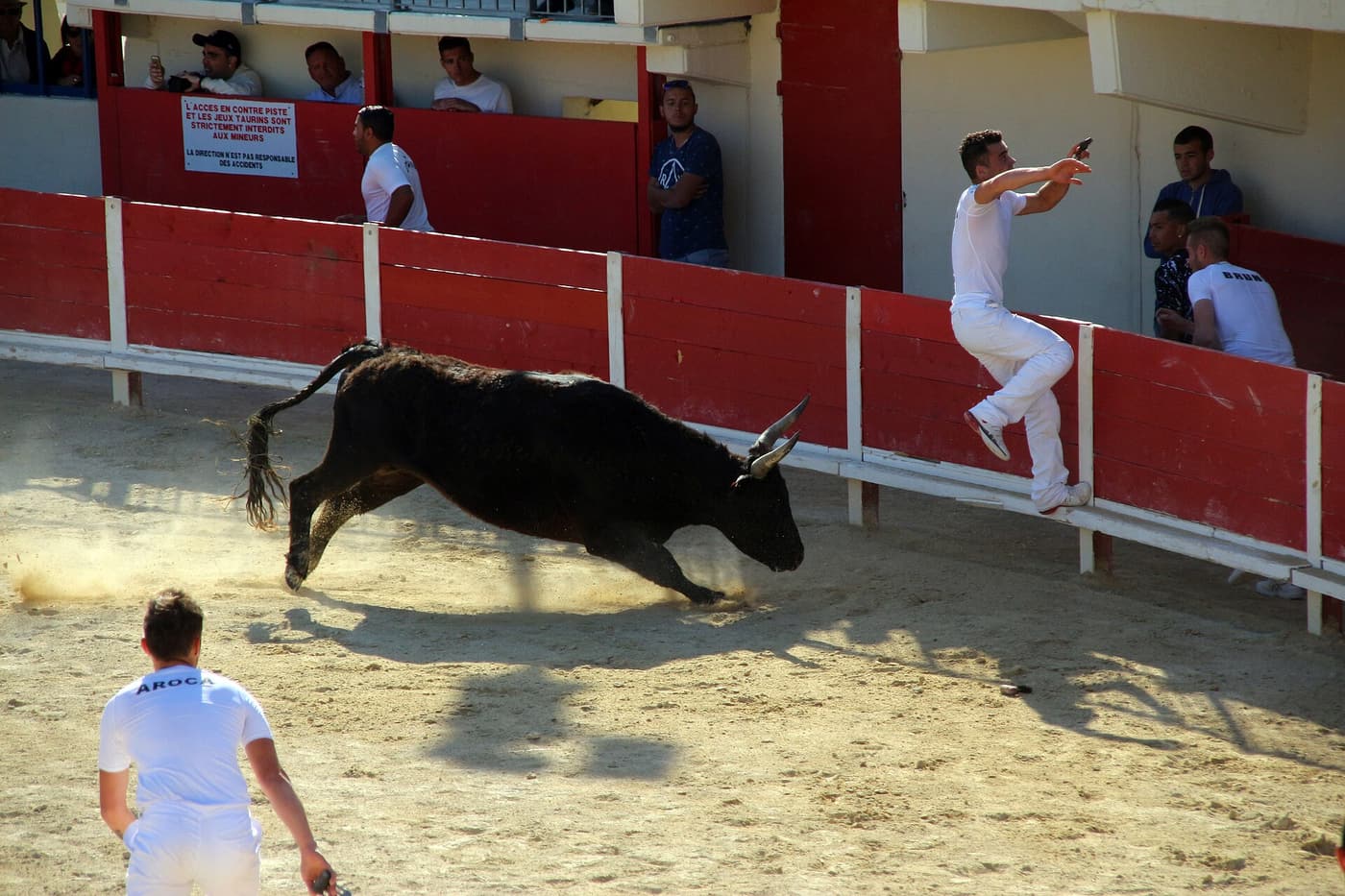
Village festivals also feature the abrivado, in which gardians on horseback escort bulls at a gallop through the streets, and the bandido, their return to the pastures. Watch from behind the barriers.
Birdwatching
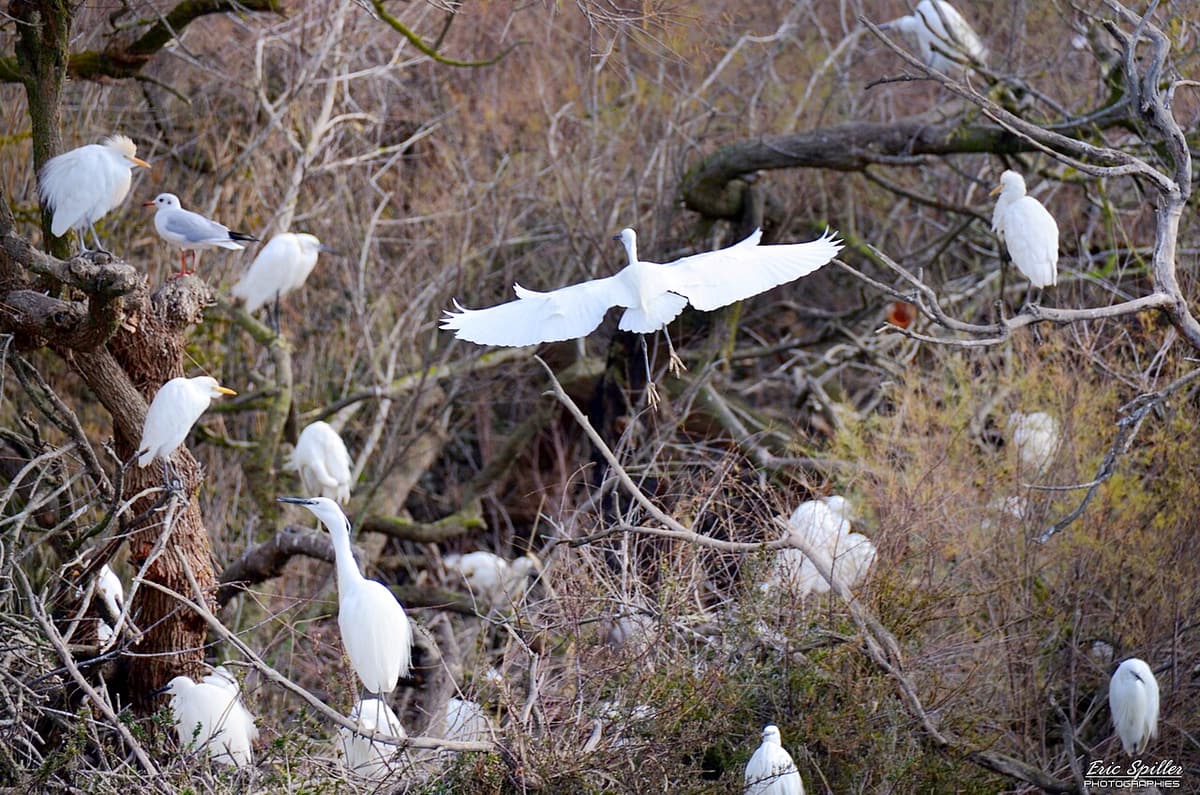
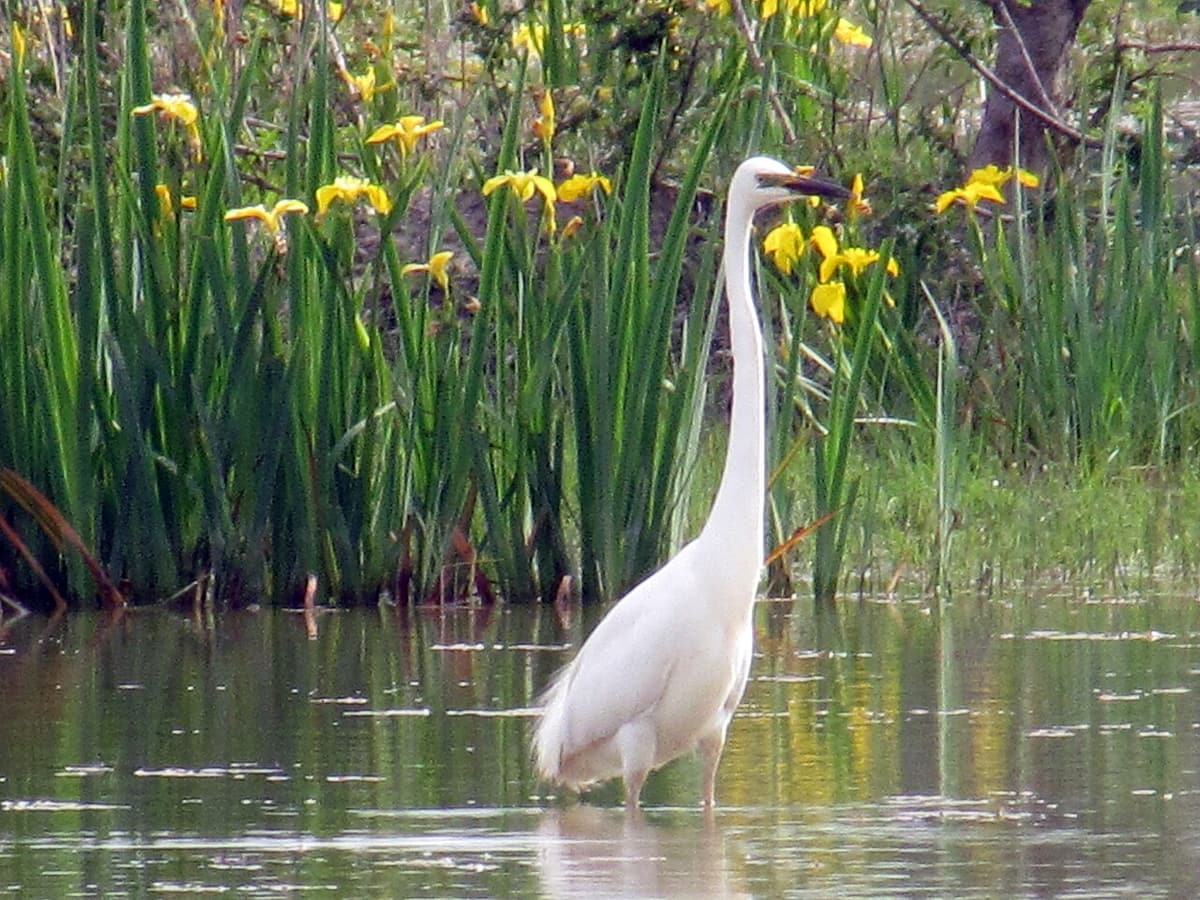
Beyond flamingos, the Camargue is one of the best birdwatching areas in Europe: herons and egrets of several species, glossy ibis, spoonbills, black-winged stilts, avocets, terns, bee-eaters and rollers in summer, harriers and other raptors, and huge numbers of ducks and coots in winter.
- La Capelière and Salin de Badon — the national reserve’s trails and hides.
- Marais du Vigueirat — a protected marsh east of the Grand Rhône with boardwalks and guided outings.
- Domaine de la Palissade — lagoons and salt meadows outside the dykes near Salin-de-Giraud.
- Pont de Gau — for close views and photography.
Watching responsibly
- Stay on paths and in hides; do not approach nesting colonies.
- Never feed or touch horses and bulls, and keep dogs on a lead.
- Choose small-group and electric safaris if you want a lower-impact experience.
- Bring binoculars — they matter more than a big lens.