Salin-de-Giraud, on the right bank of the Grand Rhône in the far south-east of the delta, is unlike any other village in Provence. It was built in the second half of the 19th century by the chemical companies that exploited the salt works, and its tidy grid of brick workers’ houses still reflects that history. It belongs to the commune of Arles, some 40 km away.
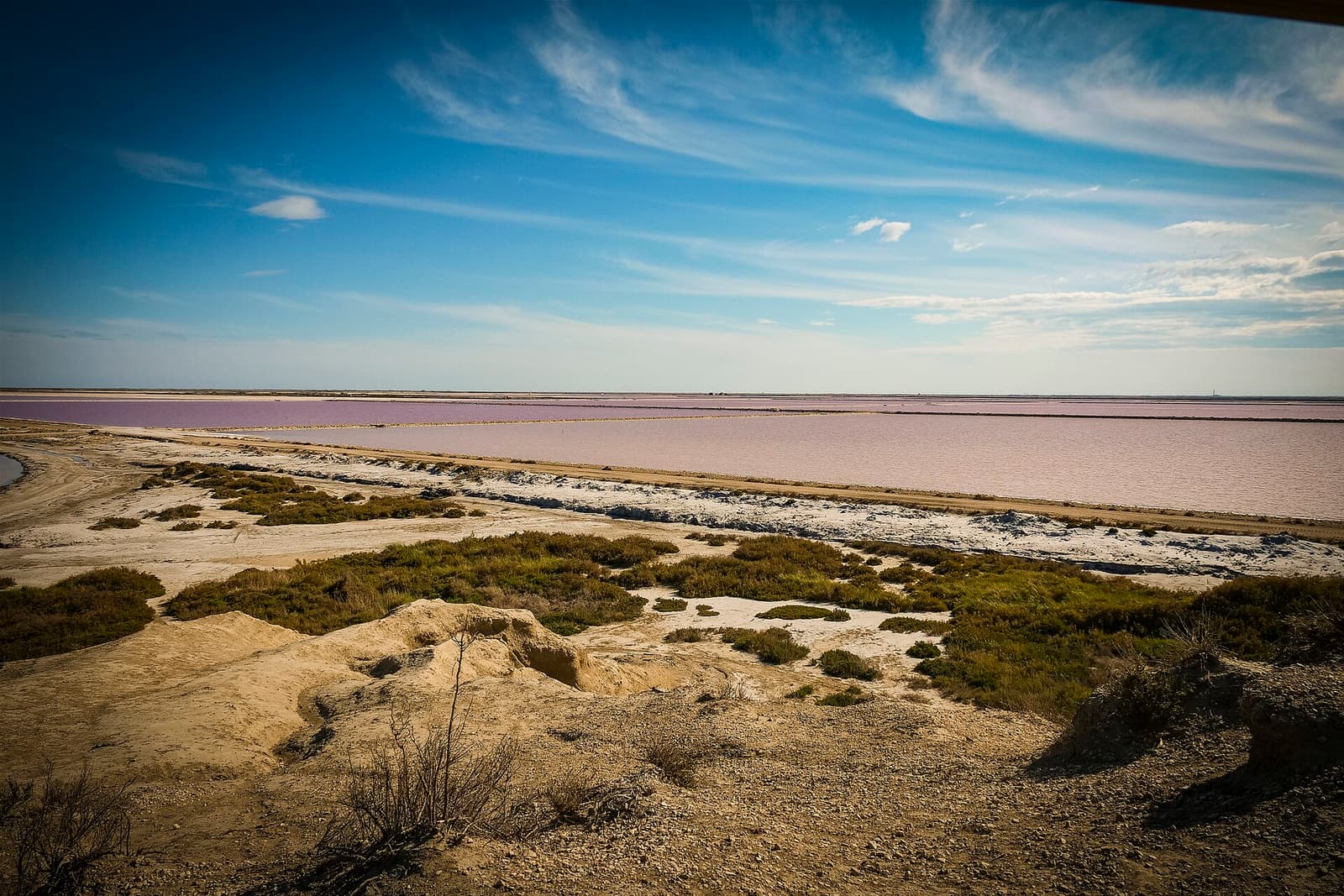
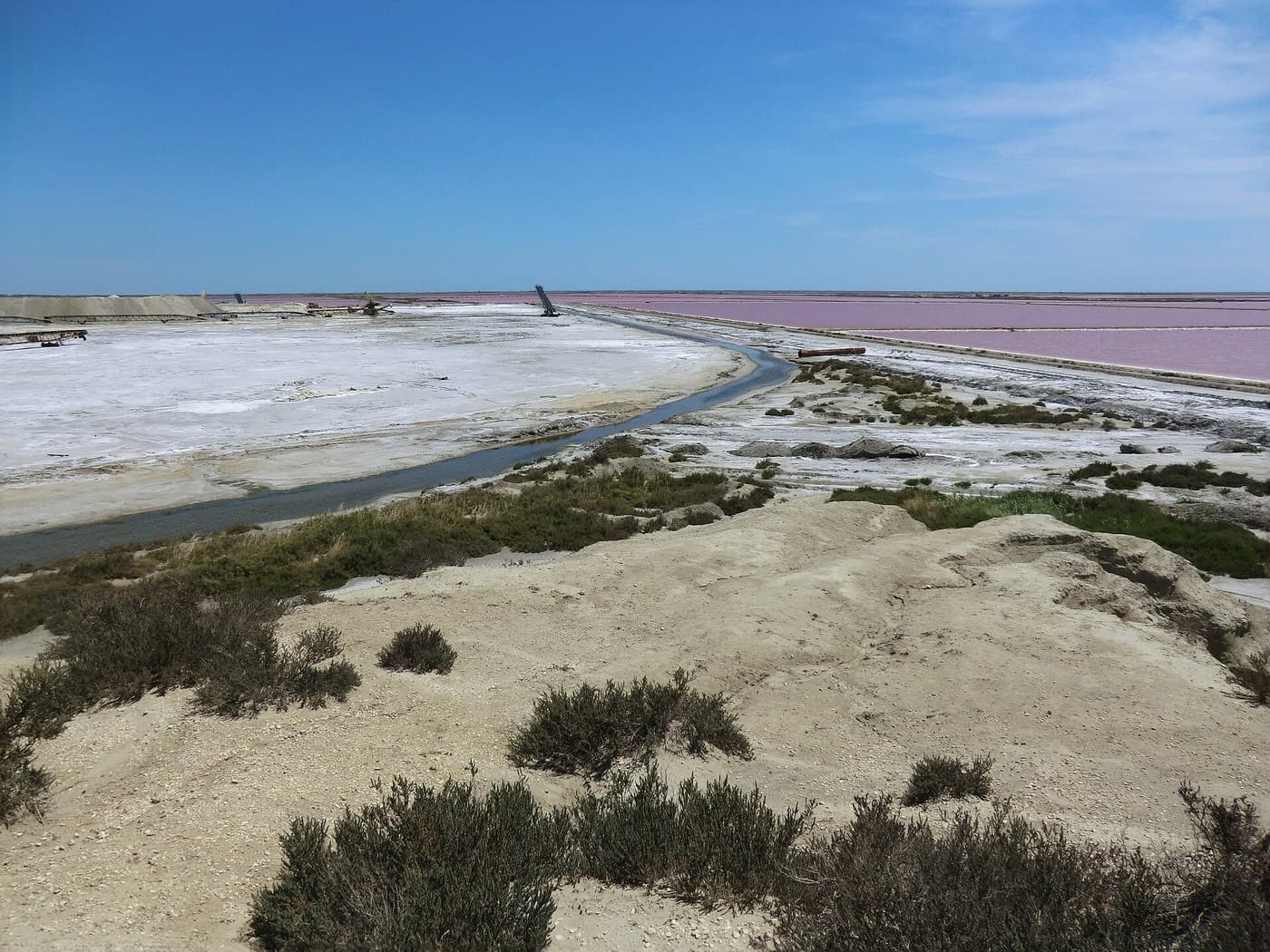
Around it lie the largest salt works in the Camargue, a landscape of enormous evaporation ponds that turn startling shades of pink and mauve in summer, and the white salt mountains of the harvest. South of the village, the road continues to the end of the land at the beach of Piémanson.
What to see and do: Salin-de-Giraud
The salt viewpoint
A viewpoint on the road south of the village looks out over the salt pans and the mountains of harvested salt. Stop for the colours, especially in summer light.
Domaine de la Palissade
Between Salin-de-Giraud and the sea, this estate of the Conservatoire du Littoral is one of the few places in the Camargue outside the dykes, where the river and the sea still shape the land freely. It has a visitor centre and marked walking trails among lagoons, salt meadows and dunes; check opening times.
Cross the Grand Rhône
The Bac de Barcarin ferry crosses the Grand Rhône from Salin-de-Giraud to the Port-Saint-Louis side, a short crossing that links the Camargue with the road to Marseille.
Village festivals
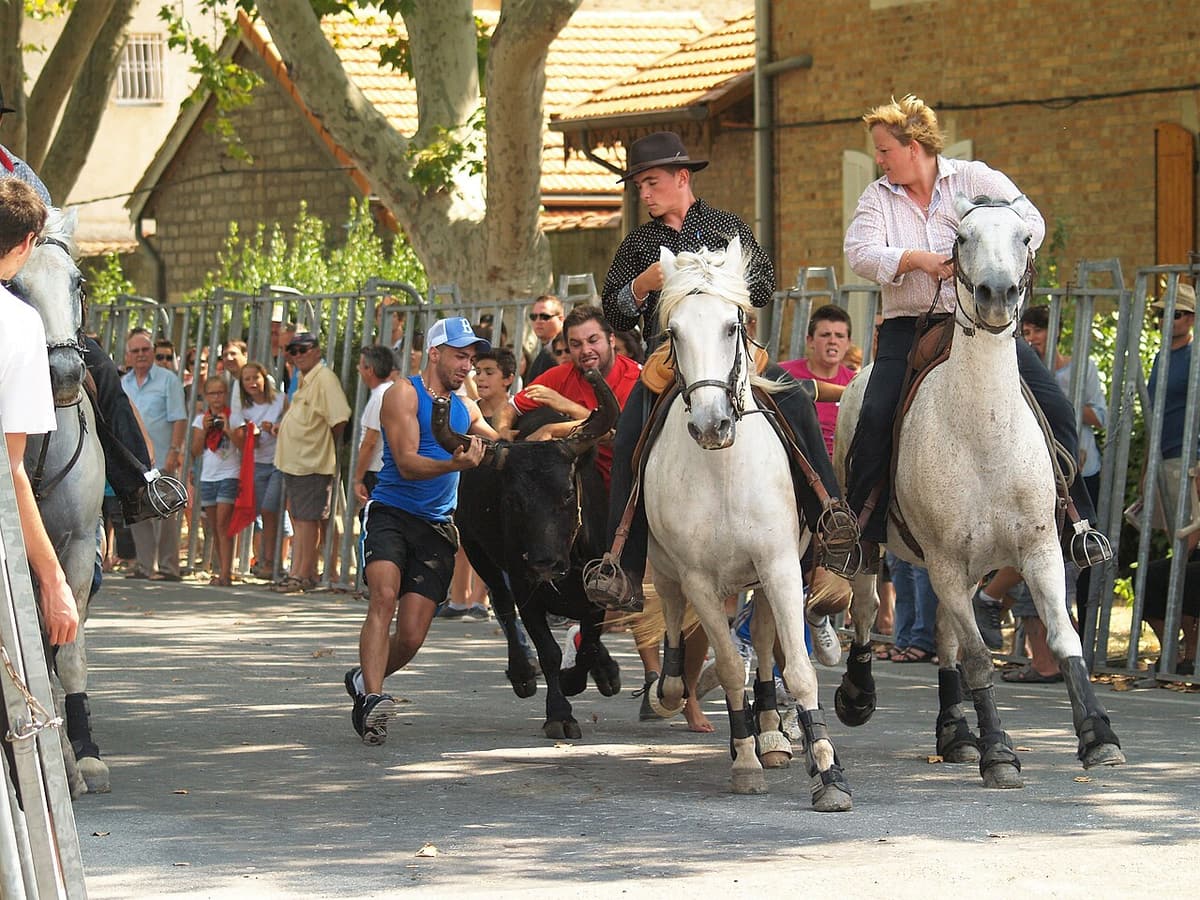
In summer the village arena hosts courses camarguaises, and festivals bring abrivados through the streets — gardians on horseback escorting bulls at a gallop.
How to get to Salin-de-Giraud
- By car from Arles, take the D36 south through the rice fields: about 40 km, 40–45 minutes. A regional bus also links Arles with Salin-de-Giraud on a limited timetable.
- From Marseille and the east, the Bac de Barcarin ferry brings you across the Grand Rhône.
Insider tips
- Fill up with fuel and supplies before heading on to Piémanson or Beauduc: there are no shops beyond the village.
- The salt works are private: photograph from the roads and viewpoints only.
Best tours & tickets for Salin-de-Giraud
These well-reviewed experiences pair well with a visit to Salin-de-Giraud:
 Guided 4x4 safari from €59
From Arles: Half-Day 4x4 Camargue Safari
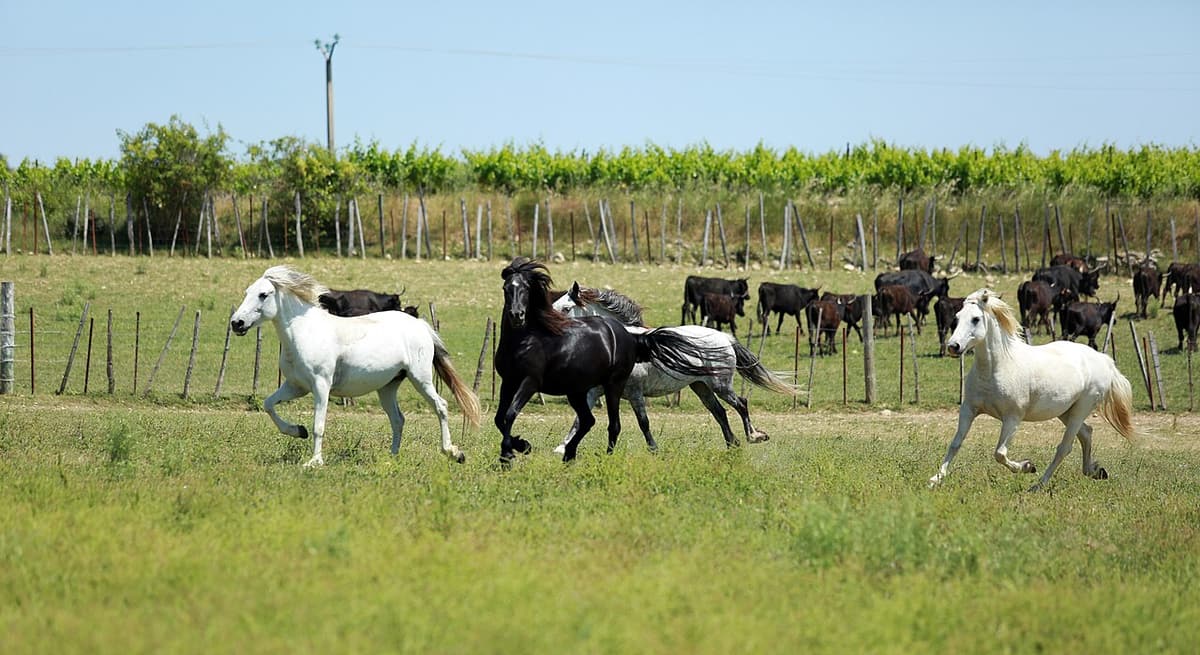
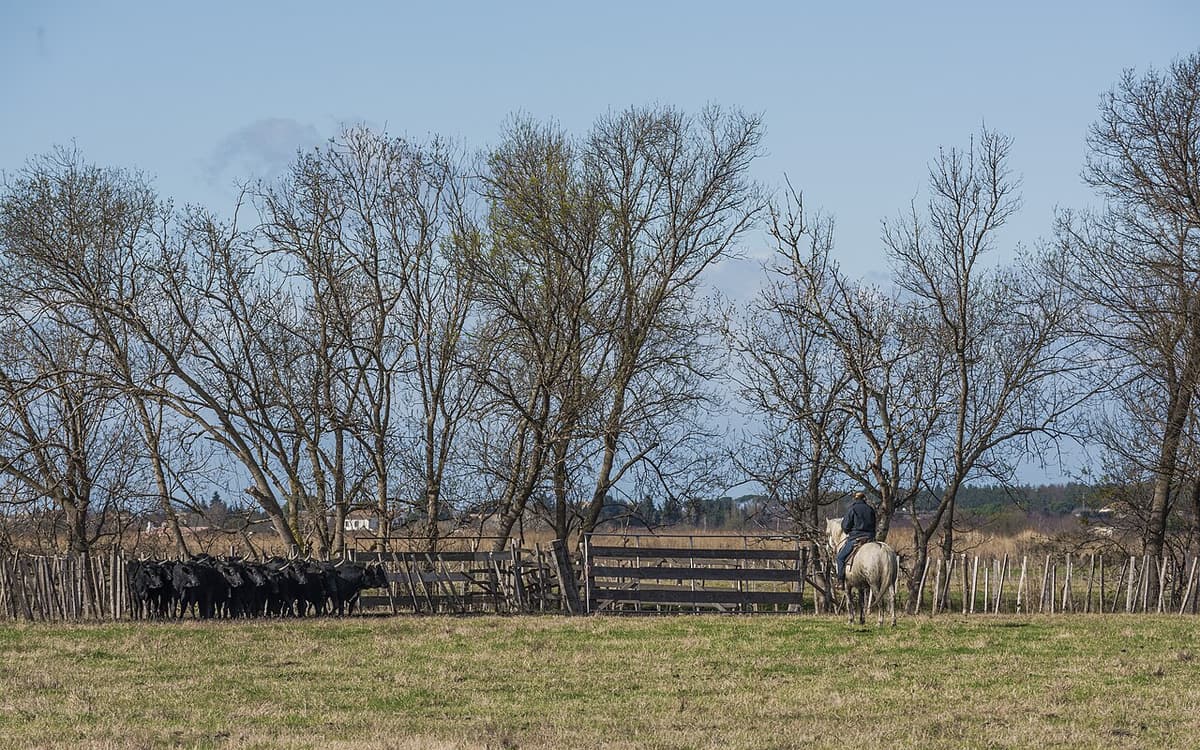
The Camargue’s most-reviewed safari, with more than 2,000 reviews. An open 4x4 leaves Arles for the Regional Nature Park, following tracks onto estates you could not drive alone to see the herds of white horses and black bulls and the birds of the lagoons. The guide explains the landscape, the manades and the traditions as you go.
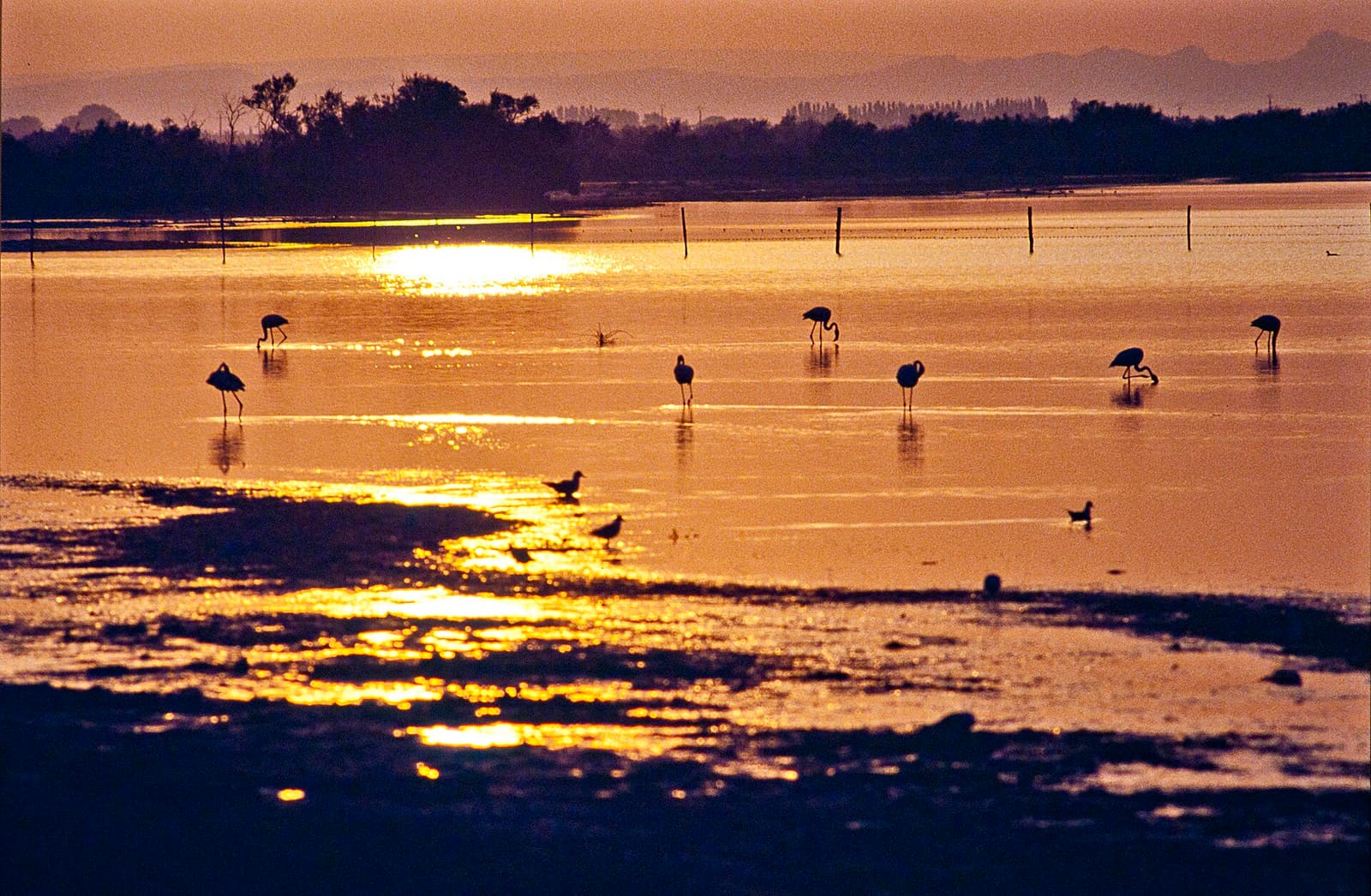
- Wild-looking horses, black bulls and flamingos
- Commentary from a local guide
- Transport from Arles included
 Guided 4WD safari from €59
Arles: Guided 4WD Tour of the Wide-Open Spaces of the Camargue
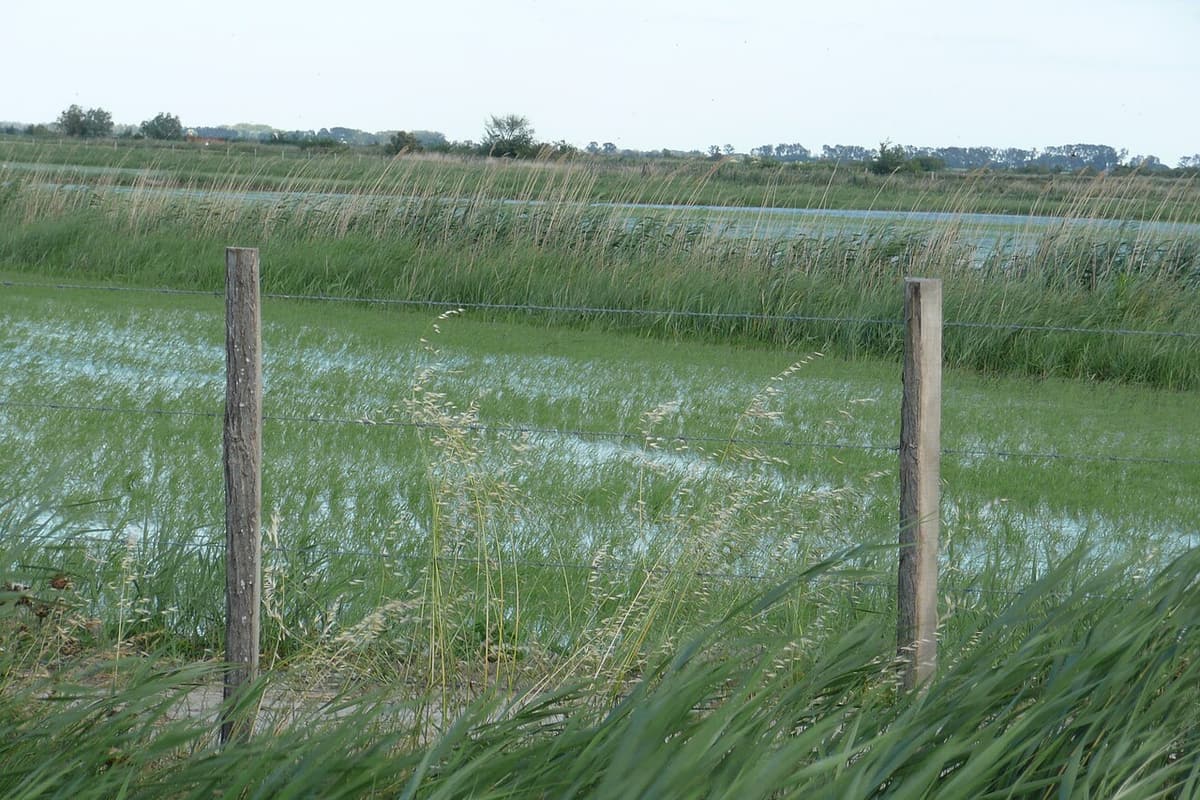
A three-hour 4WD trip into the Arles side of the Camargue with a local guide, combining wildlife watching with stories of the delta’s traditions and the life of the manades.
- Horses, bulls and flamingos
- Landscapes and traditions explained
- Shorter than most half-days
 Small-group electric 4x4 safari from €86
Camargue: Electric 4x4 Safari from Arles with Food Tasting
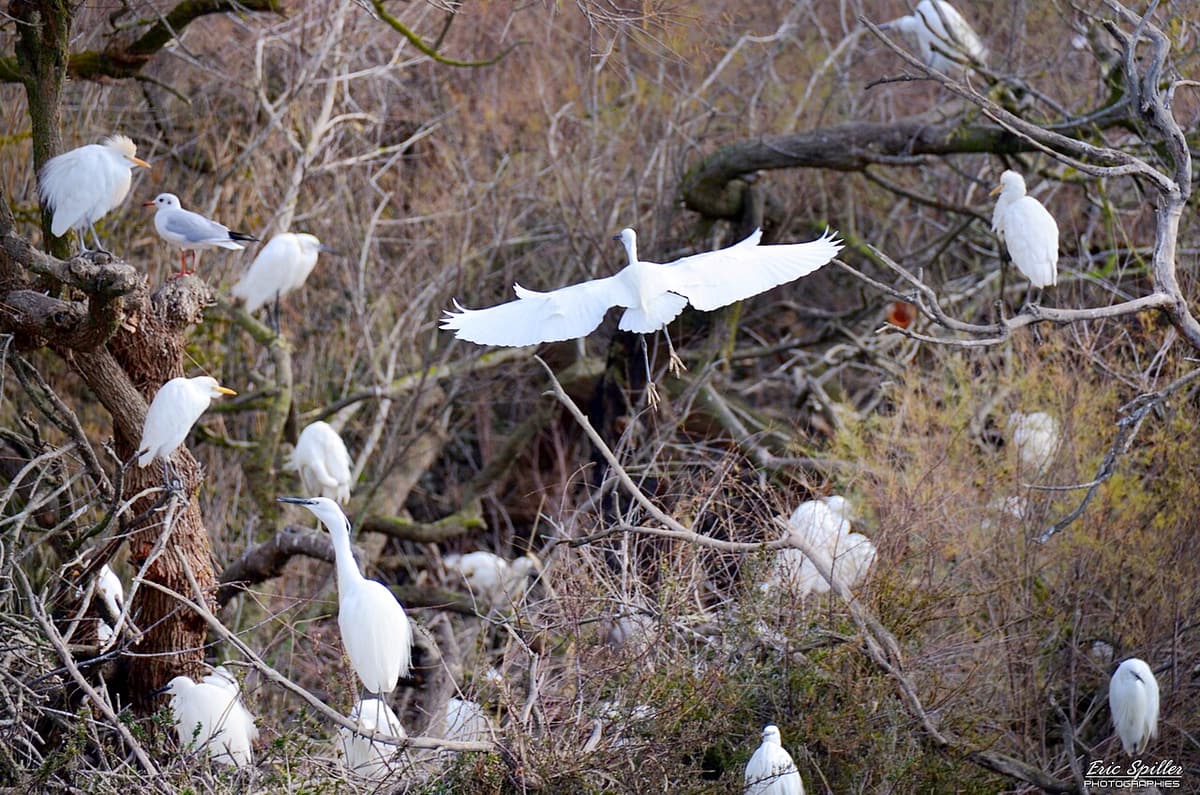
The same idea as a classic safari, but in a silent electric 4x4 — which means you can get closer to animals without the noise of an engine. Small groups, a local guide, flamingos, horses and bulls, and a tasting of Camargue produce.
- 100% electric, silent 4x4
- Small group with a live guide
- Tasting of local products
 Guided electric safari from €49.5
Camargue: Electric Safari in a Private Reserve with Horses
Three hours in an electric vehicle on a private reserve, with a local guide pointing out wildlife and horses among the wetlands, away from the busier routes.
- A private reserve away from the crowds
- Wildlife, horses and wetlands
- Local guide